
When you are under pressure, AI can feel like a superpower. You paste in a question, and out comes something that sounds polished, confident, and ready to ship. The problem is that sounding smart is not the same as being credible. In this lesson, you are going to learn where the real credibility boundary is, using Quinn’s story as a mirror. Quinn is capable, tech-savvy, and moving fast, but almost lets AI speak as the expert in a way that would have damaged trust if anyone pushed back.
Quinn’s slide toward trouble starts in a very normal place: a busy morning and too many deadlines. They ask their AI assistant, “Genie,” to generate an analysis report in an area outside their usual expertise, and it comes back sounding authoritative, complete with statistics and references Quinn does not recognize. That is the trap. AI can produce information that looks “finished” even when parts of it are wrong, invented, or missing context, and that polished tone can pressure you into skipping the hard part, which is understanding. When Quinn then uses Genie to draft a detailed client email they cannot fully explain, they are no longer using AI as support. They are letting it take the wheel.
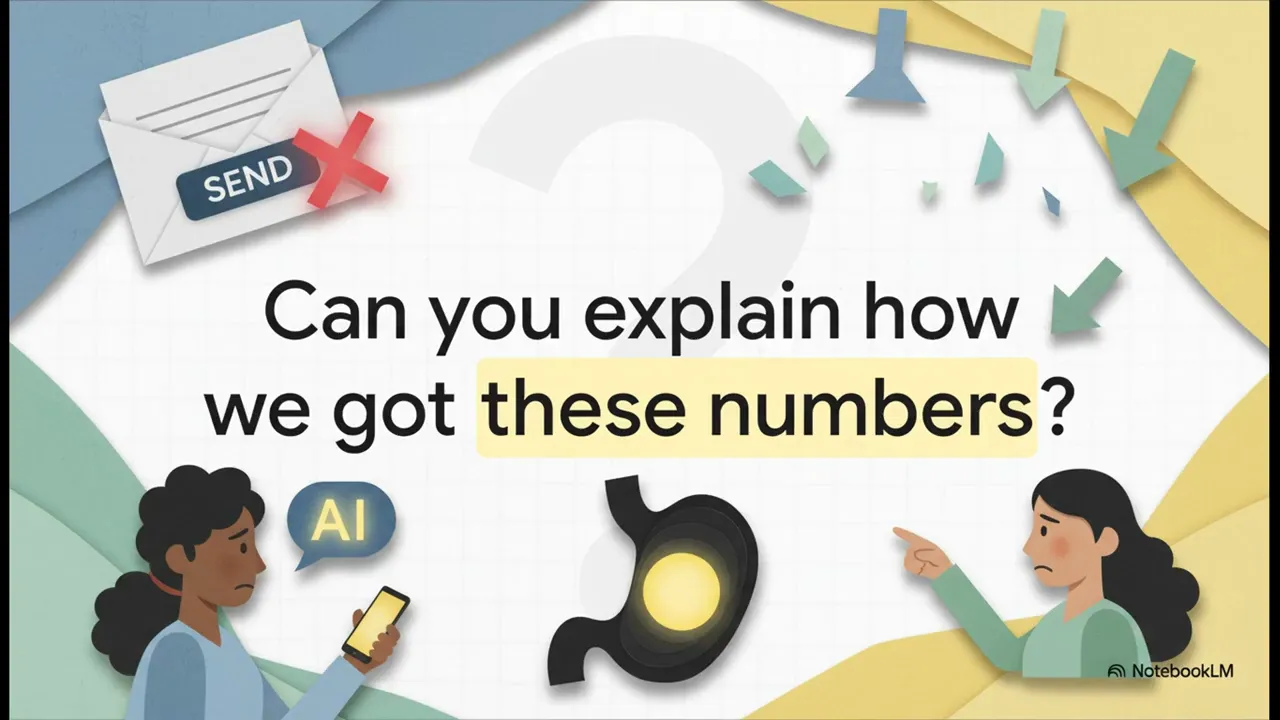
That is why the close call matters. Quinn almost sends the AI-written client email, but pauses and shows it to their manager, Alicia. Alicia asks a simple question about how a specific projection and number were reached, and Quinn cannot answer because the reasoning is not theirs. In that moment, the risk becomes clear: if you cannot explain it, you cannot ethically sign your name to it. Alicia also notices something many professionals overlook, which is voice. When a message “reads like a different voice,” it quietly signals that the sender may not truly own what they are saying, and that is where trust starts to crack. The credibility boundary is not whether AI helped. It is whether you can stand behind the work with confidence and clarity.
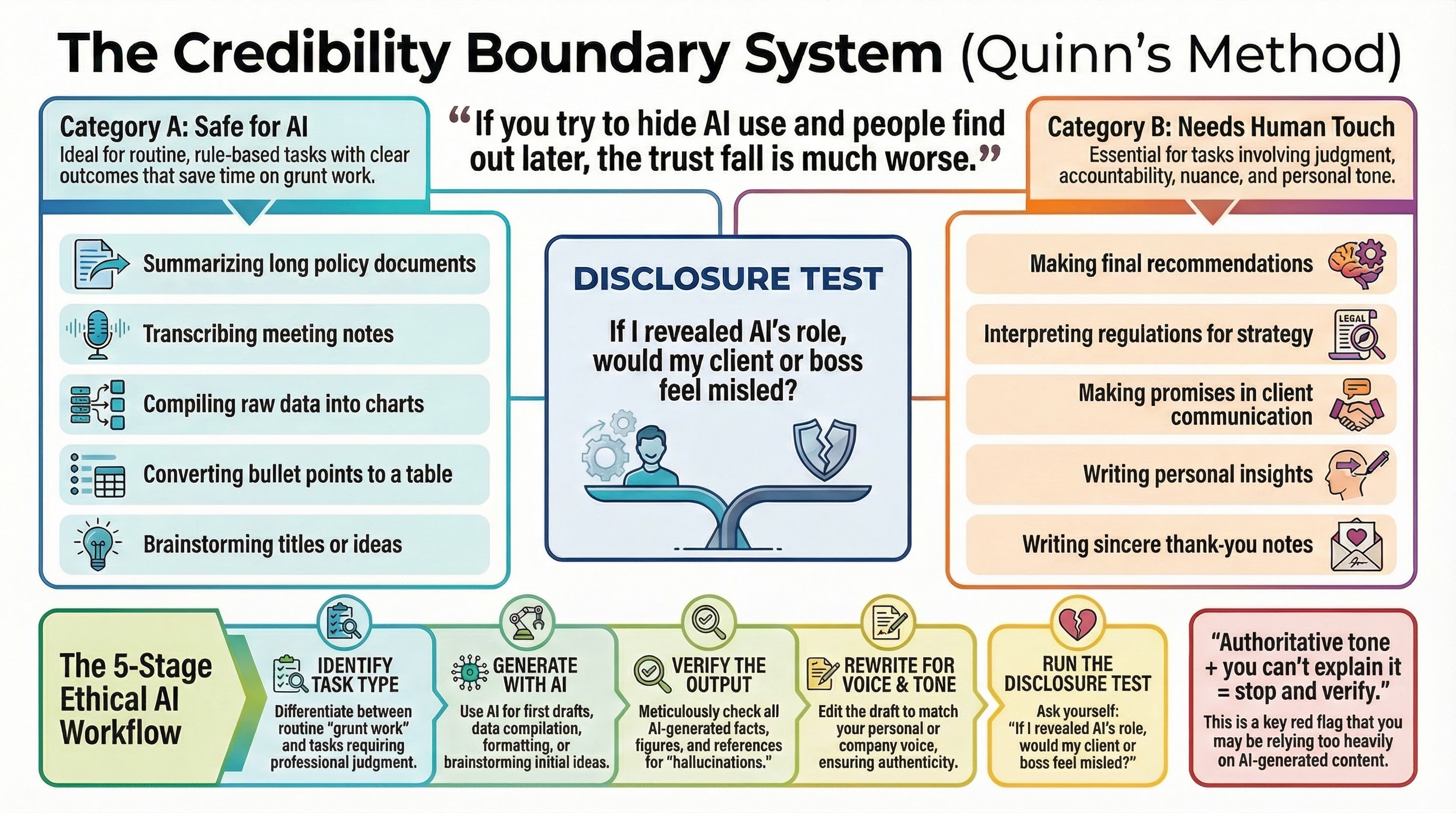
Once you see that boundary, the next move is to define it on purpose instead of guessing in the moment. Quinn does this by sorting work into two buckets: tasks that are safe to accelerate with AI and tasks that require a human touch. Safe tasks are the ones with clear, checkable outcomes, like turning raw data into charts, summarizing a long document, transcribing notes, or cleaning up formatting. The “human touch” bucket includes anything that depends on judgment, creativity, accountability, or promises, like final recommendations, personal insight, or communication that carries your company’s voice and commitments. The reason this split works is simple: AI can help you move faster on the mechanical parts, but it cannot be the accountable decision-maker. That is your job.
Even with good boundaries, you still need one discipline that protects your reputation: verification. Quinn learns that AI can fabricate details with a confident tone, which is exactly what makes it dangerous when you are rushing. So the rule becomes: if AI generates facts, figures, citations, or confident claims, you verify them before they enter your deliverable. In practice, that means checking the original source, confirming the numbers, and using your professional judgment to decide whether the claim belongs at all. Think of AI like a fast assistant that can surface possibilities, not a truth machine. Speed is helpful, but accuracy is non-negotiable.
With boundaries and verification in place, Quinn adds one more tool that keeps them honest: the Disclosure Test. It is a simple self-check: if you told your boss or client exactly how much AI contributed, would they feel misled or uncomfortable? If the honest answer is yes, you have probably outsourced too much, or hidden too much, or both. Quinn can comfortably say, “Genie summarized the data, and I built the strategy,” because that keeps the core insight on the human side. The deeper point is about trust: some people may judge AI use as a shortcut, but the damage is far worse if you hide it and get exposed later. So you want a workflow you would not be nervous to explain.
Now you can see what ethical shortcuts look like in real work. Quinn uses AI for wording help when stuck, for reformatting a messy spreadsheet into something slide-ready, for brainstorming title ideas, and for proofreading at the end, but they write personal notes and the final recommendation in their own voice. This is the correct relationship: AI handles the heavy lifting and the first draft energy, while the human owns the meaning, the stance, and the accountability. Quinn also keeps a cautionary story in mind about professionals who relied on AI without checking and ended up in serious trouble because the AI generated references that did not exist. You do not need to fear AI to use it wisely, but you do need to respect the fact that your name is the quality control layer.
By the end of this lesson, the takeaway is not “use less AI.” It is “use AI with integrity.” Delegate the dull, repeatable tasks, but keep judgment and final decisions with you. Stay accountable for every claim that leaves your desk, which means reviewing and verifying what AI produces before it becomes “your” work. Use the Disclosure Test to keep yourself on the right side of trust, and make sure the final voice sounds like you, not like a generic machine. If you apply these rules consistently, you get what Quinn ultimately earns: speed that does not cost credibility, and efficiency that you can defend under questions.