
Born in Tacoma to a Korean mother and an African American soldier, she learned early that survival often meant translation. She moved between households, codes, and expectations, seeing how race, class, bureaucracy, and pride could split one public problem into clashing versions. Before she was old enough to vote, she already knew collapse seldom started with one failure. It spread through denial, mistrust, and people in power who gained by keeping everyone confused.
That made her practical, hard to fool with rhetoric, and obsessed with what truly keeps a city intact.
When a city-wide chain collapse hit Tacoma, the official story broke almost as fast as the roads, power, and the public trust. Contractors buried profiteering, media voices stoked rival mobs, and agencies froze inside siloed truths. In the worst hour, her latent power ignited as the Unity Beacon, forcing a brief field of shared fact and shared consequence across enemies who otherwise would have let the city burn.
She got rivals building before the lights went out, then watched backlash surge the moment the effect wore off. She chose not to become a mascot for harmony, but a civic warfighter for durable cooperation, using strategy, law, and sacrifice to turn brief alignment into reforms that could survive the panic.
Abilities

Primary
Unity Beacon
Uniter projects a demanding empathic field that briefly lowers ideological walls. Rivals see shared facts, shared risk, and viable paths. It never controls minds, and it fades quickly, so she must turn insight into plans, laws, or deals before the backlash returns.

Secondary
Pragmatic Vision
Uniter maps coalitions across people, policy, media, and logistics, spotting leverage, blockers, and win conditions fast. It lets her assign roles and reorder tactics with precision, but the read depends on solid facts and can be warped by chaos or misinformation.
Ultimate
Destiny Shaping
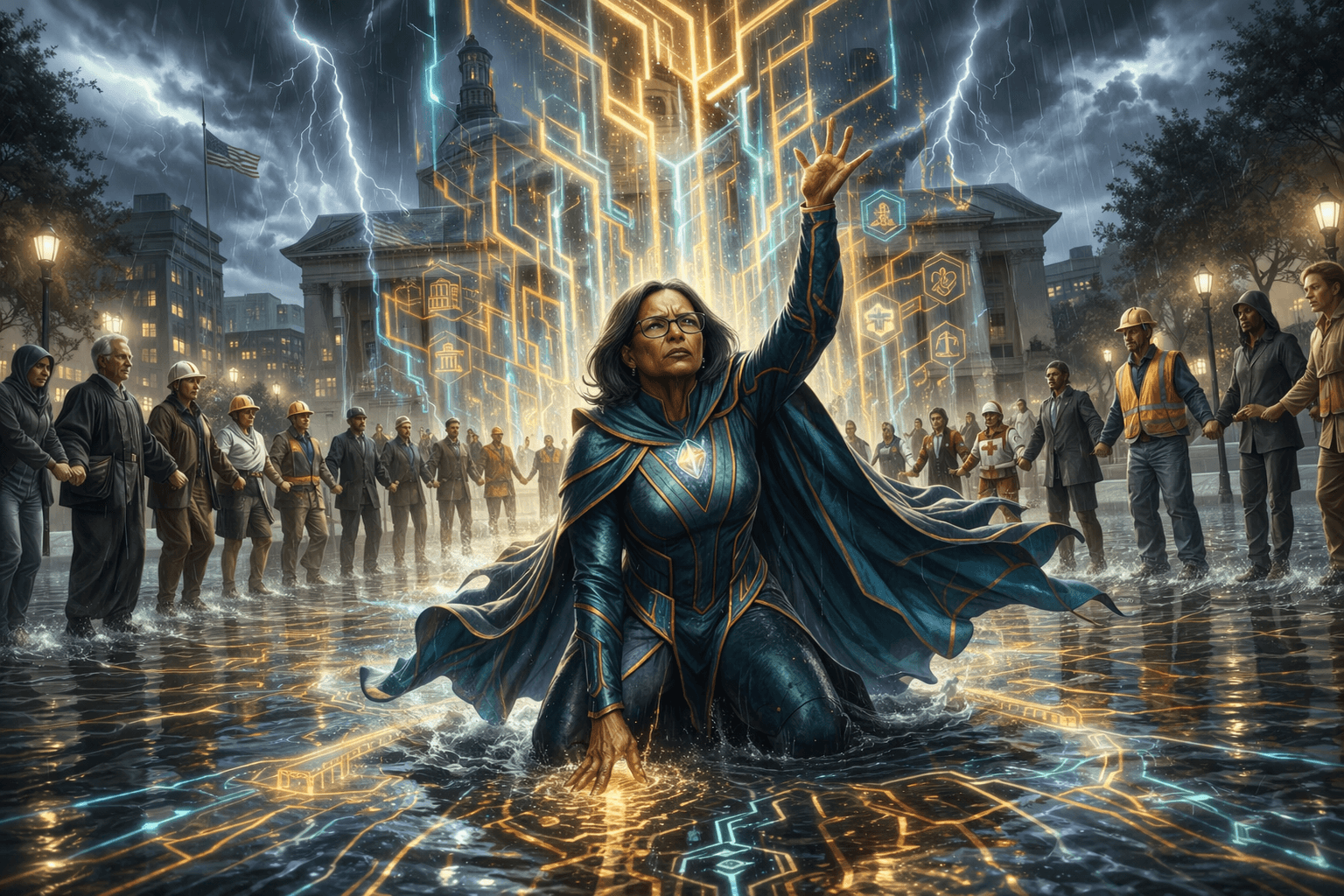
In peak crisis, Uniter can fuse public will, legal structure, and sacrifice into a near-reality rewrite that anchors reform deep in civic systems. The change can outlast elections but it demands broad buy-in, legal support, and a personal cost too severe for routine use.

The night Tacoma's chain collapse took the waterfront grid, a city engineer, a dockworker strike captain, a neighborhood organizer, and a council aide were all trapped in the same service tunnel, blaming each other as the whole district went dark. Her Beacon flared without warning. For six minutes they saw the same load map, the same flood risk, the same body count. Uniter did not ask them to agree forever. She made them brace the same beam together long enough to save the block.
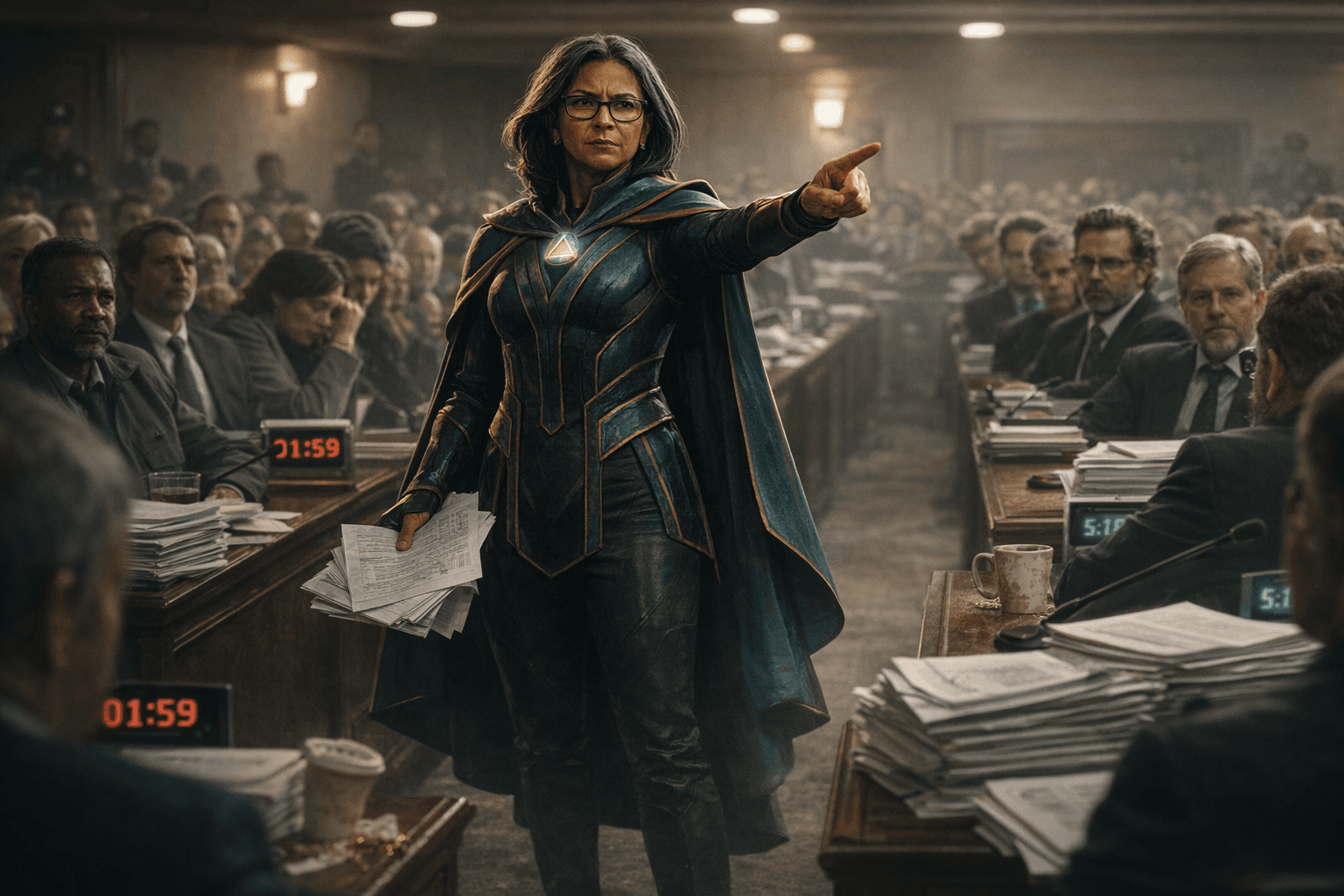
At the midnight hearing on the Emergency Rebuild Act, labor leaders, tenants, utilities, and grieving families stood one vote from collapse. A donor bloc offered fast money if liability shields and surveillance clauses remained. She could have flooded the room with Beacon and forced a yes. Instead, Uniter exposed the trap, resequenced the asks, and won a narrower bill with repair money, worker protections, and no immunity. Half the city called her traitor. The law held.

When coordinated grid sabotage and flooding threatened Tacoma with permanent emergency rule, she pulled local engineers, judges, neighborhood crews, and former enemies into one binding chain. Then she invoked Destiny Shaping. Stronger standards, anti-corruption triggers, aid routes, and civilian safety safeguards locked into the civic system. The victory held, but the surge burned away her last hope of anonymity. From then on, each faction knew whom to fear, praise, or pursue.
