
In neighborhoods where rec centers shut down early, parents worked double shifts, and help too often showed up as paperwork instead of people, a whisper started moving block to block. There was always some older man around who could find you food, quick cash, a ride, a couch, or something strong enough to dull the hurt. The whisper grew in stairwells, after-school dead zones, bus stops after dark, motel lots, and the quiet of teens who learned too young that needing people made them look soft.
Every broken promise, every missing guardian, every kid staring into a mirror and asking whether they mattered gave shape to something waiting behind the glass. In time, that pattern stopped feeling like social damage alone. It became spiritual residue. Drawn from neglect, street folklore, addiction, and the false shine of survival, it gathered itself until it could wear the shape of a man.
Once that force found a will, Uncle Den stopped reflecting despair and started arranging it. He stirred feuds before peace could settle, planted drugs near the places where intervention should have held, and put older boys where mentors had grown scarce. He learned to arrive one step before real help, offering family to the abandoned, status to the ashamed, and protection to the afraid. Every recruit confirmed his creed: when no one reaches a child in time, isolation beats policy.
Now he moves beneath notice, haunting alley reflections, bus windows, dim halls, and weak moments in young lives, building hidden crews from boys who only wanted to feel chosen. He is more than a gang leader. He is the hunting spirit of unmet belonging, called up whenever a community leaves its children alone long enough for darkness to introduce itself as love.
Abilities
Primary
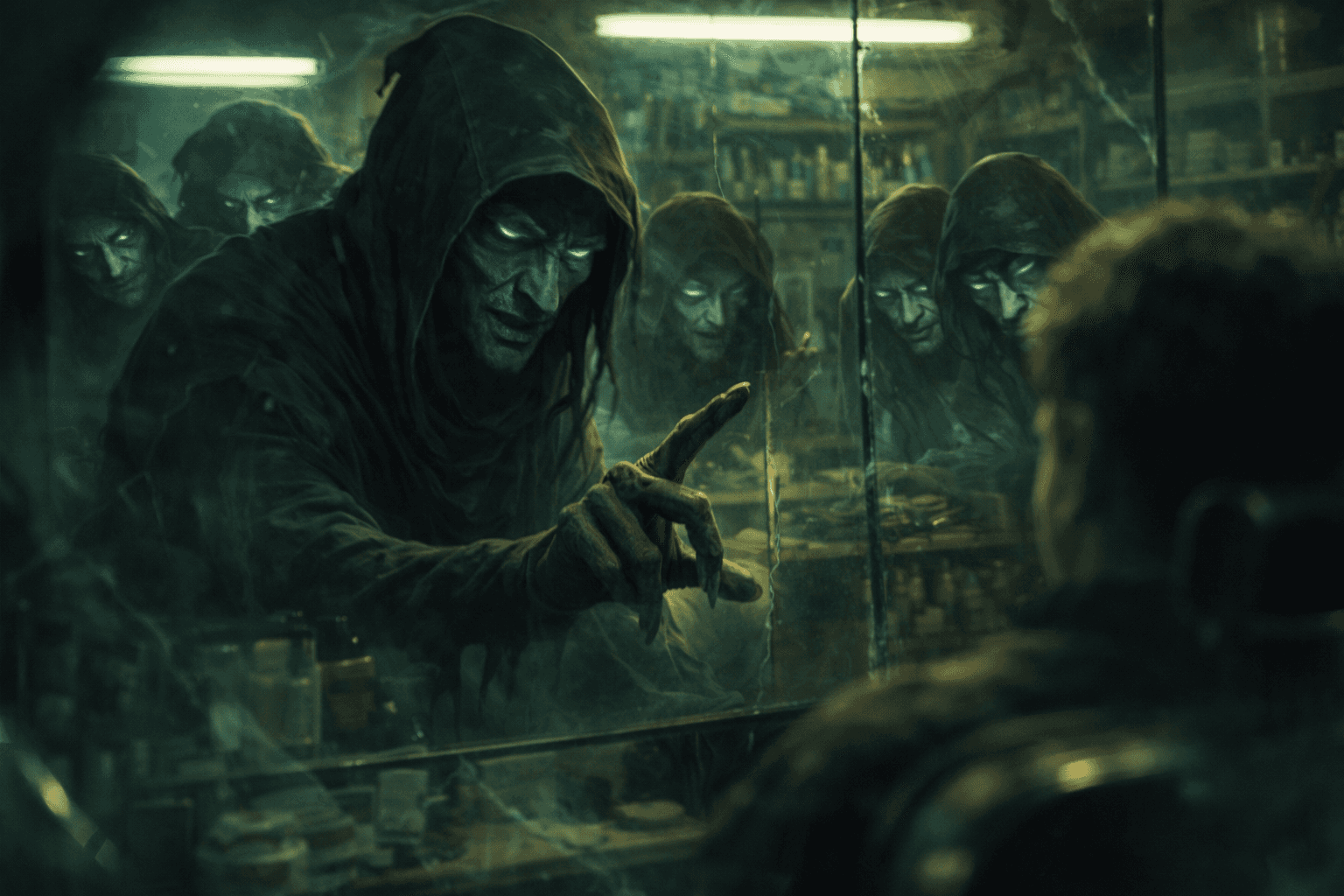
Hollow Mirror
Uncle Den twists reflections until they speak a target’s darkest beliefs back as fact. Confidence thins, shame cuts deeper, and suggestion slips in more easily. The effect is strongest in isolation and fades fast when trusted voices break the spiral.

Secondary
Borrowed High
He can flood nearby recruits with a rush of false confidence, numbness, and aggression that hits like a chemical spike. For a brief stretch, fear drops and risk rises. The crash leaves shame, exhaustion, and deeper dependence. It cannot create real courage, healing, or worth.

Ultimate
Blackout Gospel
When isolation peaks, Uncle Den drowns a street, room, or corridor in living dusk. Exits feel wrong, allies seem far off, and every reflection repeats his creed until youth relapse, submit, or turn on rescuers. The field drains him hard and starts to split when real connection spreads faster than fear.

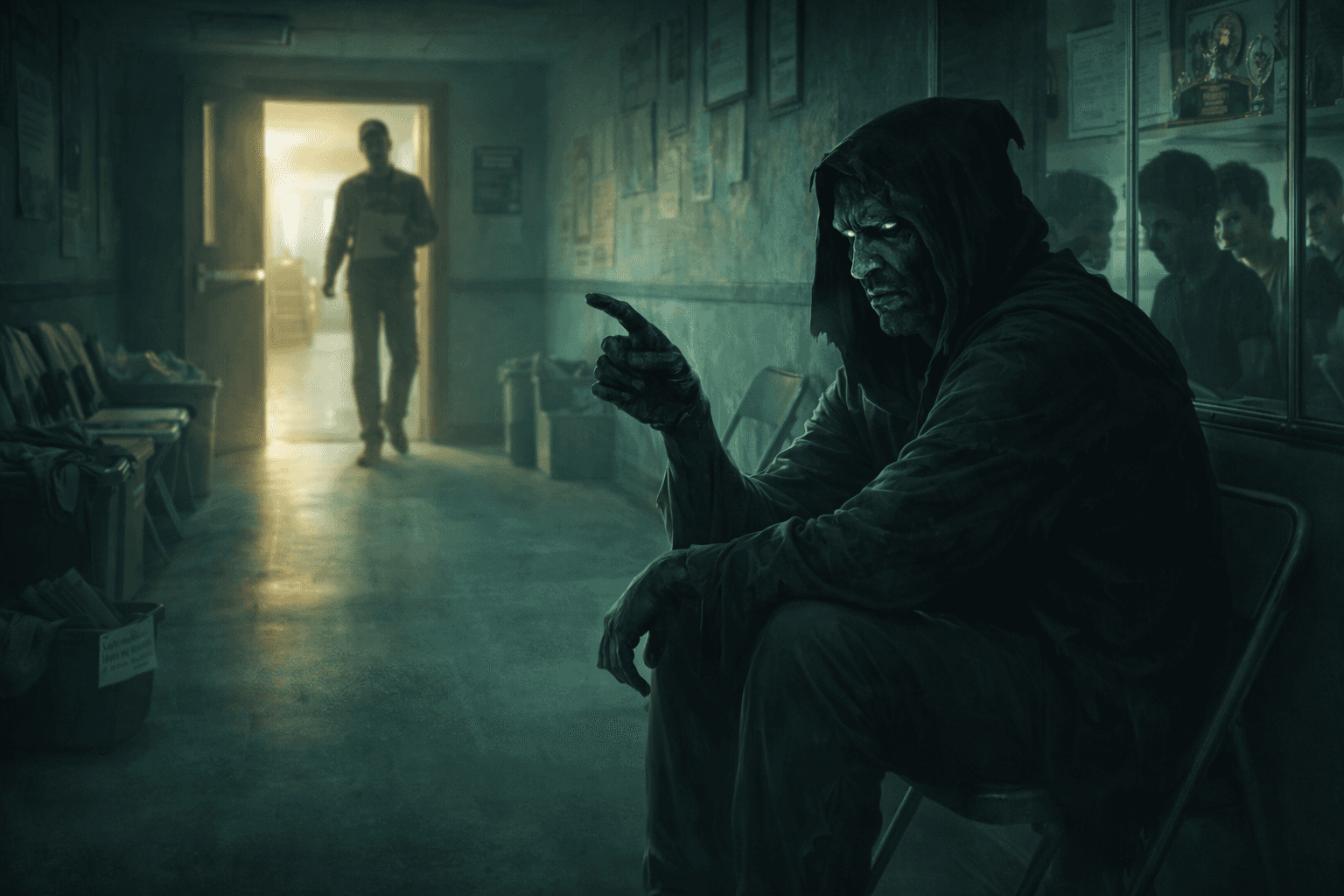
A fourteen-year-old waits outside a rec center after budget cuts shorten the evening hours, trying hard not to look stranded. In the darkened glass, Uncle Den appears behind the boy’s reflection like a calm older cousin. He does not threaten. He offers food, a ride, and a place where “real family” is waiting. By the time staff realize the kid is gone, the boy is already in the back seat laughing harder than he has in months, mistaking attention for safety and invitation for love.
After heroes and outreach workers build a night corridor that starts pulling youth off his corners, one of Uncle Den’s most dependable runners nearly chooses sobriety and safe housing. Uncle Den answers with a staged humiliation, then presses Hollow Mirror until every old failure feels final. The teen does not just relapse. He rejects help in public and pulls two others back with him, proving that one poisoned exit can taint an entire path to recovery when shame gets there first.
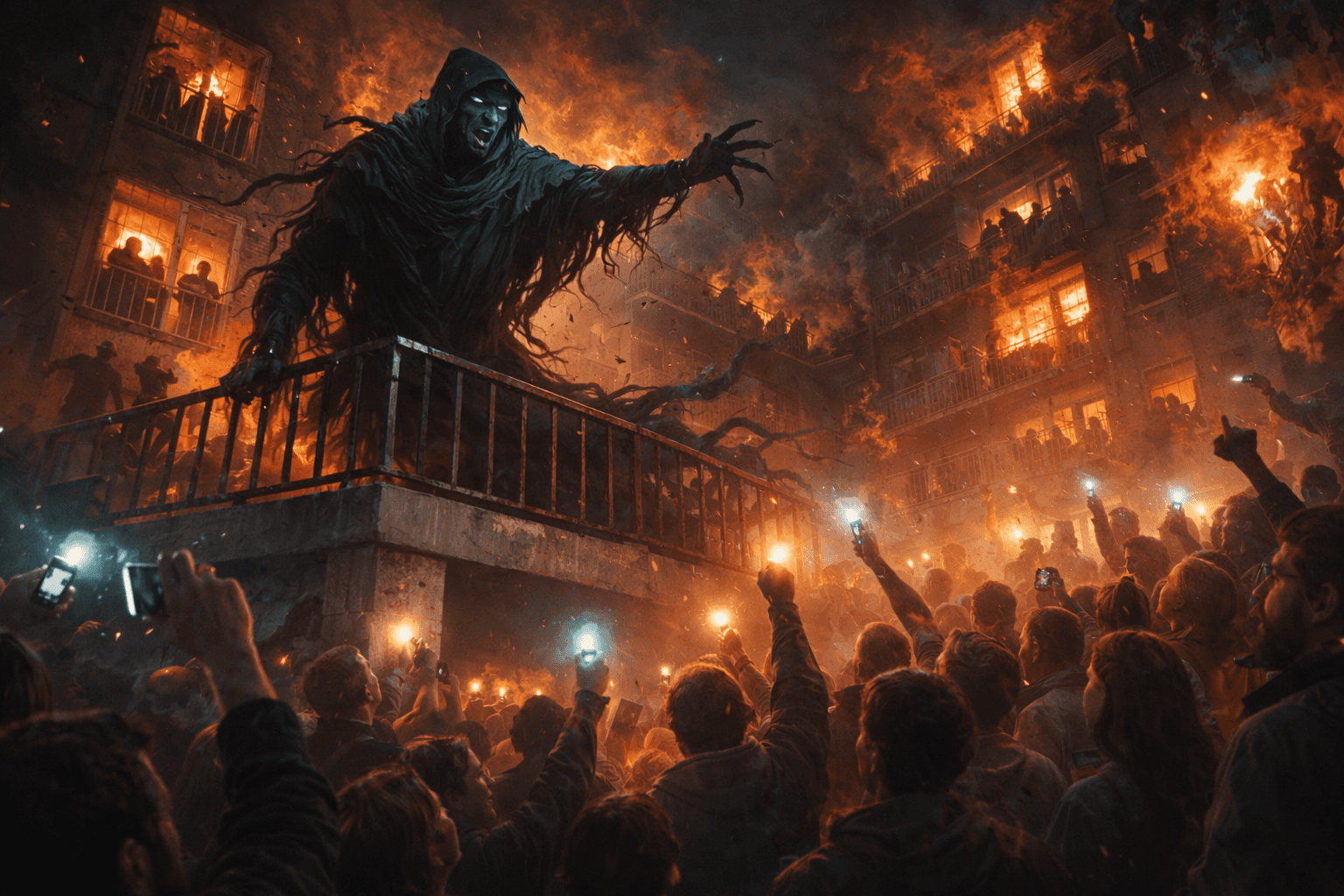
When Uncle Den casts Blackout Gospel over an apartment block to reclaim teens slipping from his grip, he expects panic to finish what temptation started. Instead, families, mentors, and heroes answer the reflections out loud with names, memories, and promises kept. The spell begins tearing at the edges. Faced with losing influence, Uncle Den orders a retreat that burns his own stash houses and exposes his own proxies before he lets anyone leave clean.
