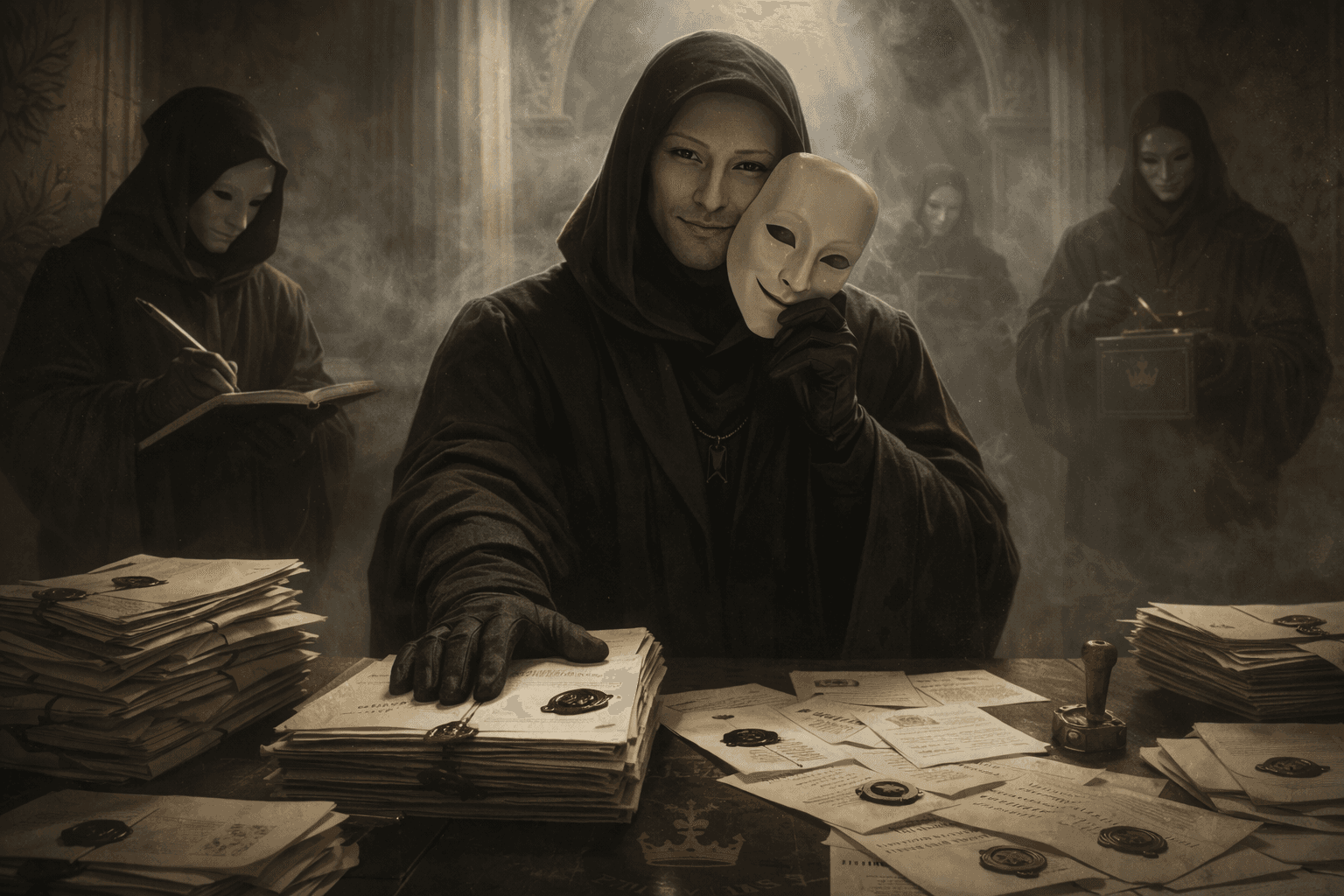
Kingmaker Society rose in the cracks of public trust. After scandal, disorder, and exhaustion, a coalition of operatives, consultants, propagandists, donor handlers, and heirs to older traditions of terror reached one conclusion: people did not need persuasion if they could be enclosed. A rented crowd became proof enough. A forged petition became news. Repeated certainty made neighbors distrust what they knew.
What older hate orders once did through spectacle and fear, these successors translated into polling terms, legal fronts, and polished respectability. They turned intimidation into mere procedure.
The coalition shed its names and became a method, then a doctrine, then a hidden order. Cells placed themselves in campaign shops, churches, school boards, consultant rings, and media networks, posing as concerned citizens. Their creed hardened around one belief: consent is most useful when manufactured, because counterfeit applause gives power a cleaner face than open force.
The Society builds an atmosphere where demagogues feel inevitable, splitting communities until a strong hand feels like a relief. Yet every false mandate depends on ordinary people repeating a lie together, and every unscripted act of courage, memory, or mutual trust threatens to reveal the crown as staged.
Abilities
Primary
Counterfeit Consent
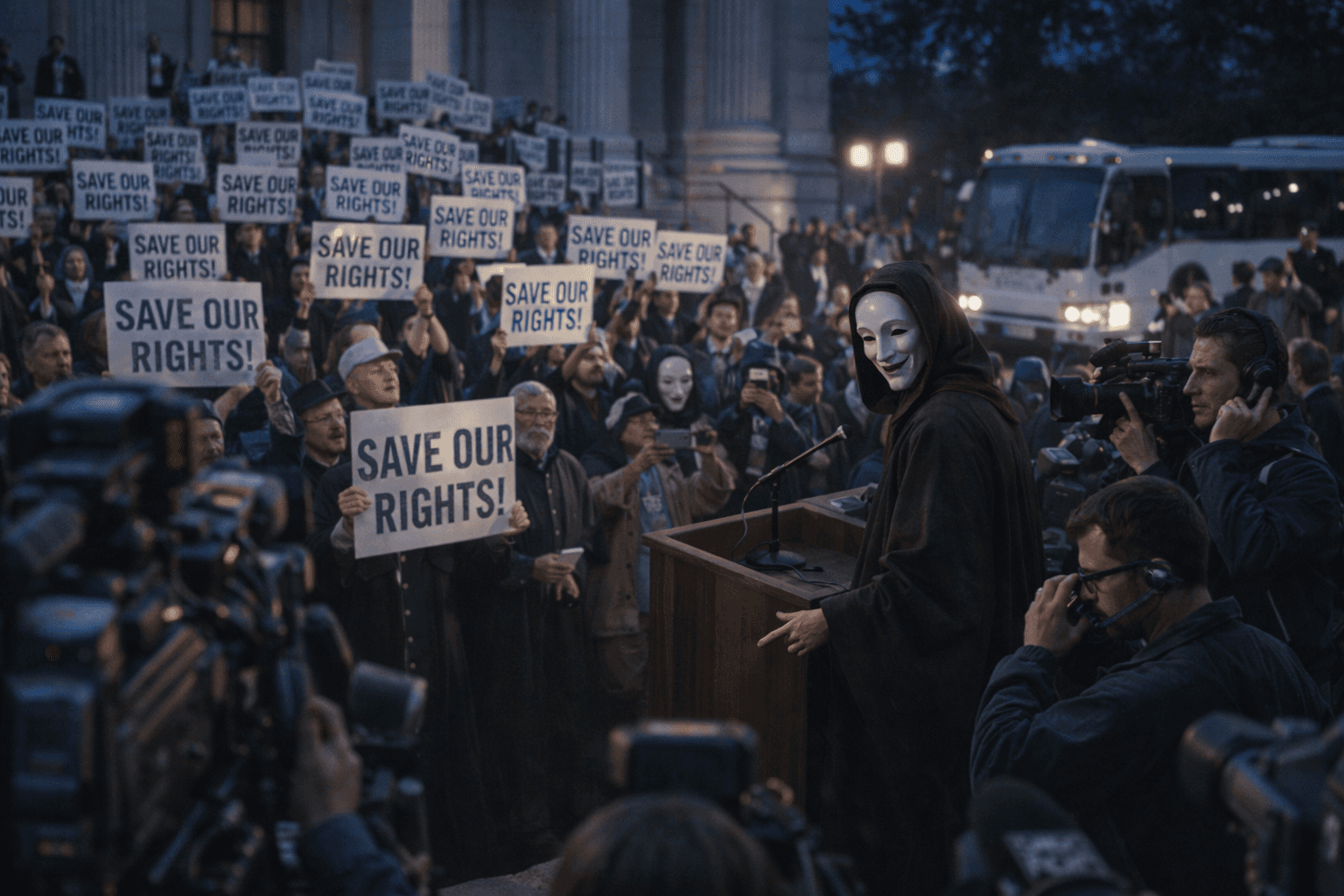
The Society can manufacture the look of a public mandate by planting crowds, forging signals, scripting chants, and synchronizing voices across civic spaces. It works best when fear is already in the air and weakens fast when clear, public facts break the performance.
Secondary
Mimicry
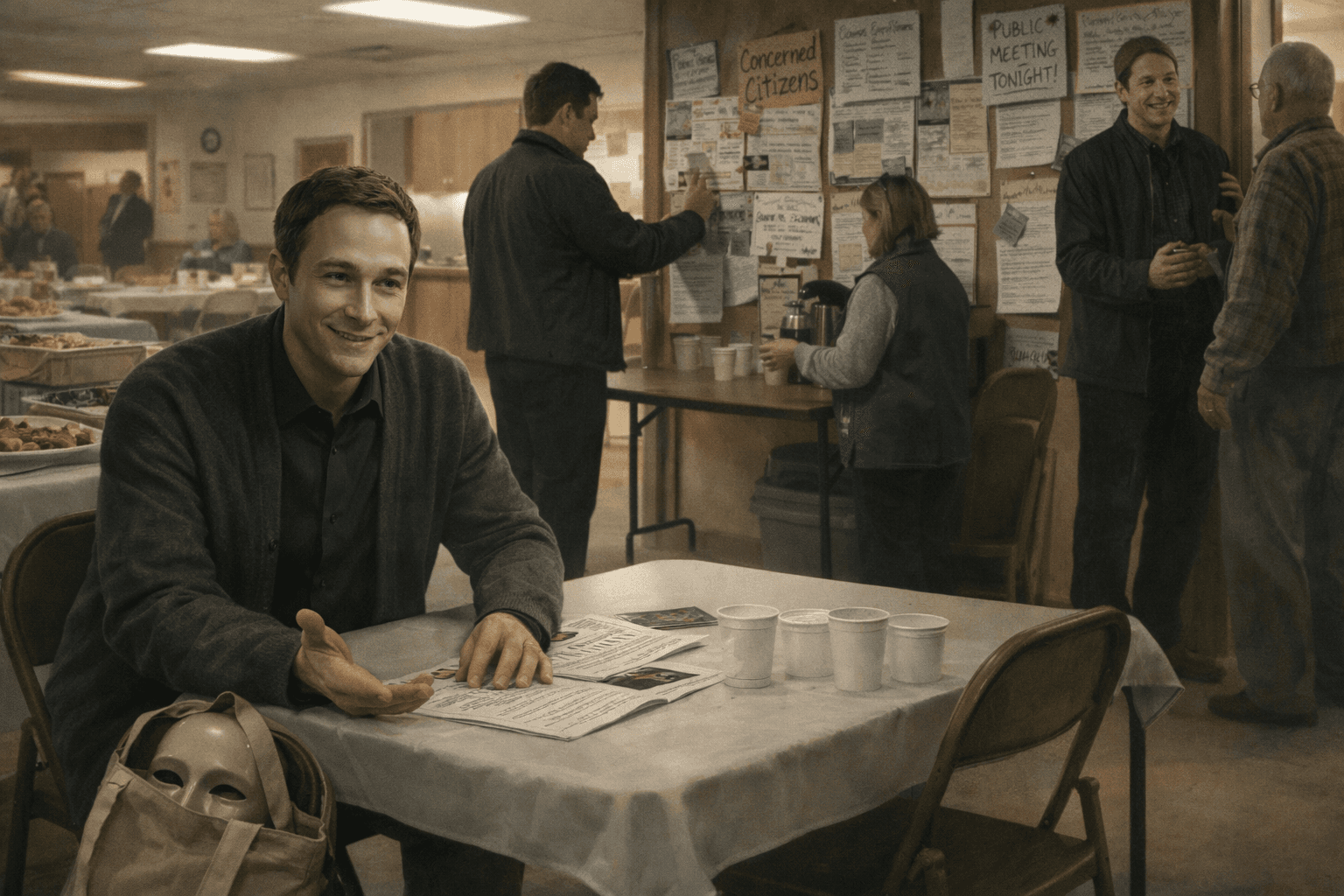
The Society can absorb the language, rituals, and visual codes of any community it studies, making outside control feel native. This lets it hide inside schools, churches, campaigns, and neighborhood groups, but shallow research or real local memory can crack the disguise.
Ultimate
Silent Mandate
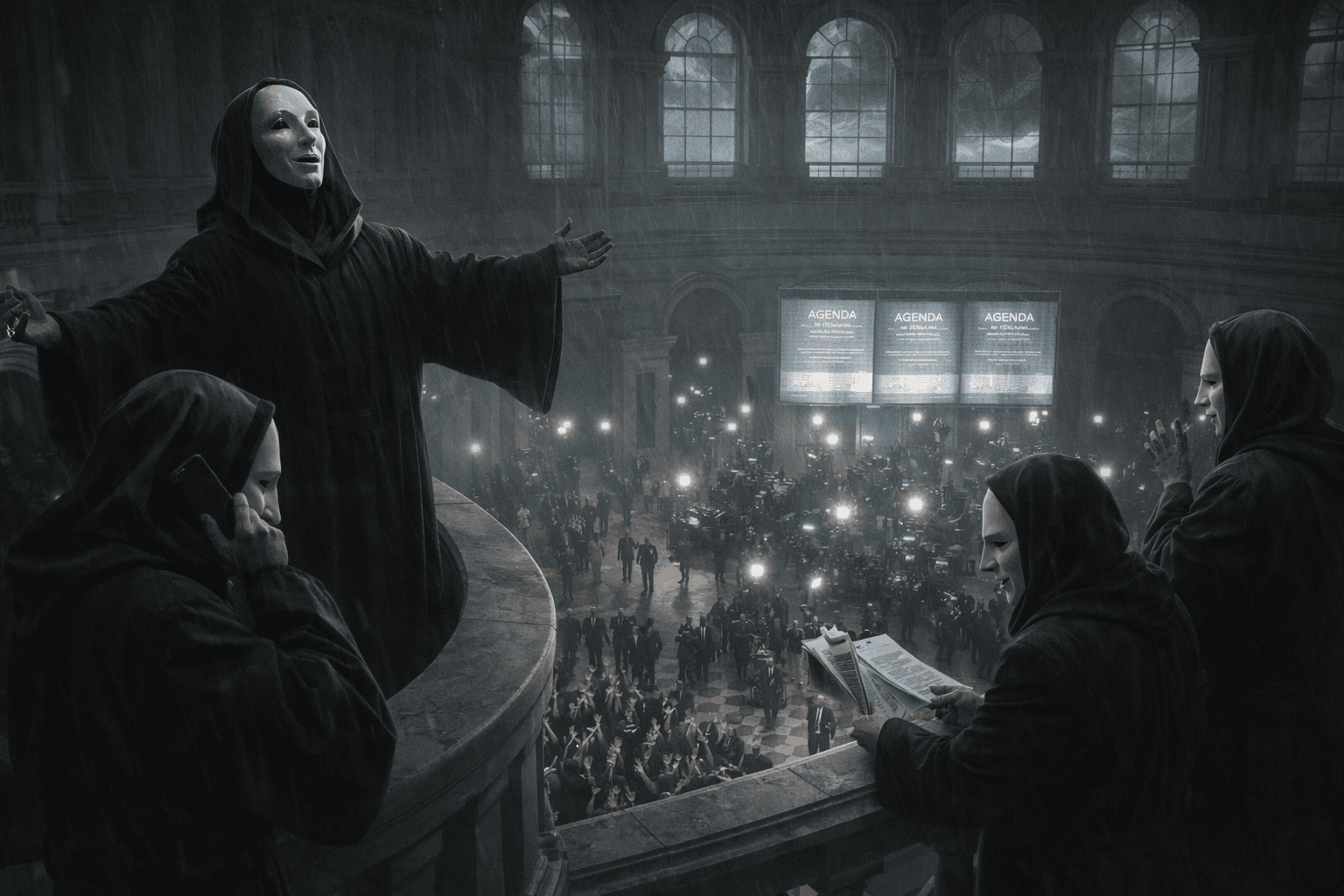
In moments of crisis, the Society can align media noise, elite pressure, staged public energy and fear until one ruler feels inevitable. It devastates because it makes surrender feel voluntary, but it burns assets, leaves traces, and risks backlash when pushed too far.
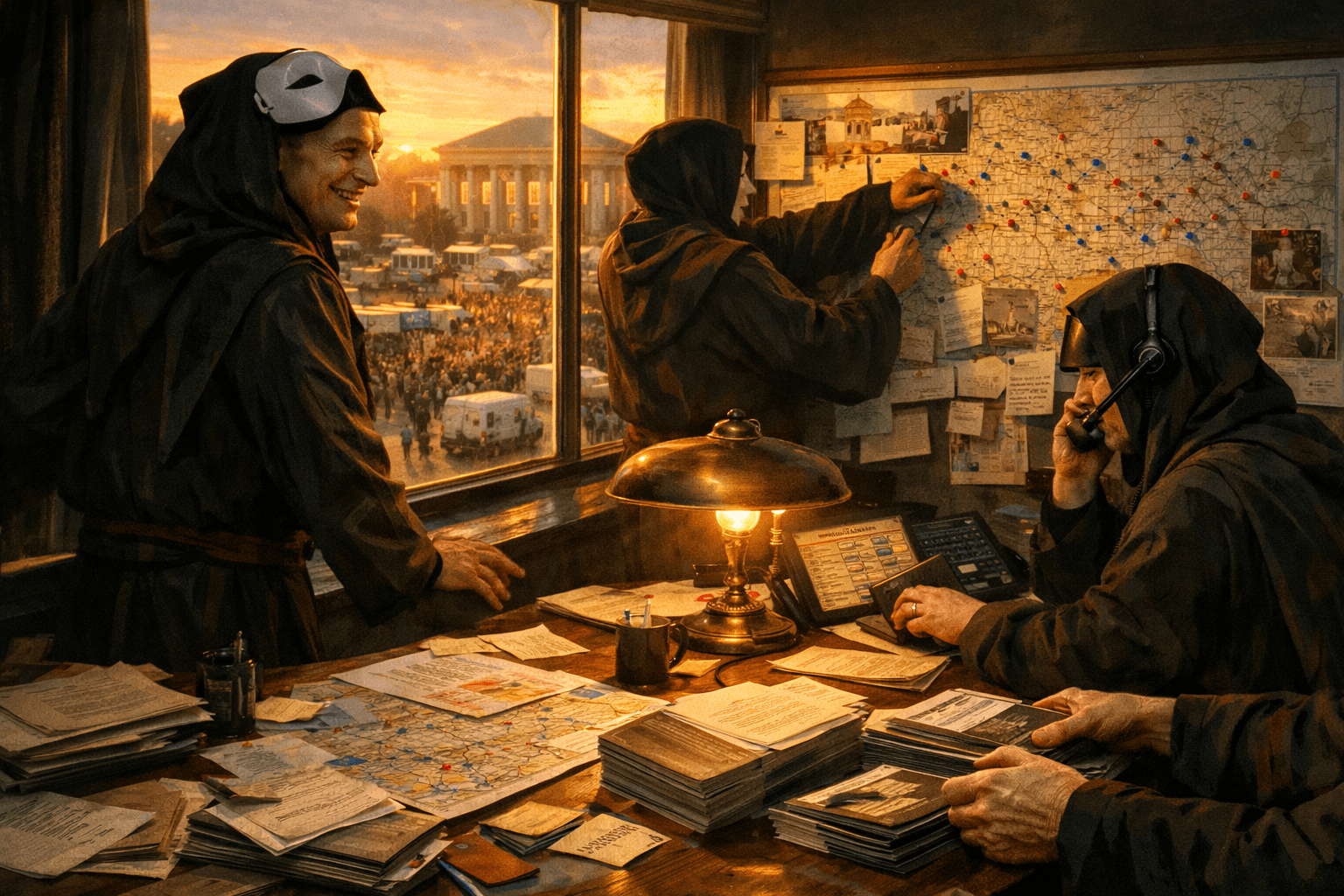
In its first major test, the Society took a fringe claimant with no real base and gave him the optics of inevitability. Buses delivered bodies to a courthouse rally, local letters were ghostwritten, church bulletins echoed the same concern, and by evening the cameras found a “movement.” Nothing was fully false, only arranged. The moment proved the Society’s true nature: it does not create power from nothing. It edits reality until the public mistakes choreography for desire.
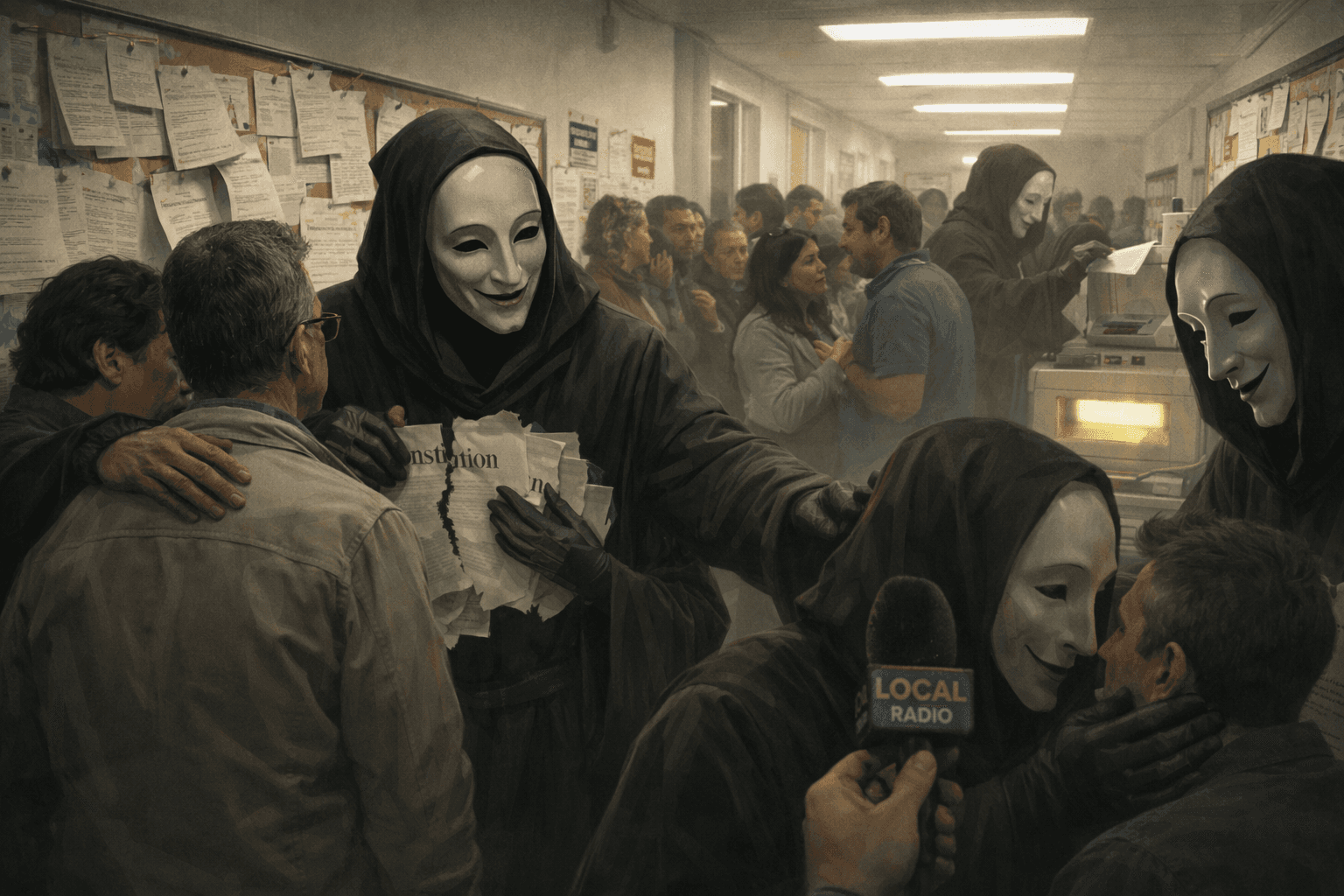
A school board clerk leaked copies of a fabricated petition that the Society had used to ignite a moral panic. Rather than simply silence her, the group flooded the town with rival explanations: she was bitter, corrupt, planted, anti-family, unstable. Pastors repeated one version, radio hosts another, parents a third. Truth survived, but trust did not. Under pressure, the Society revealed its deeper instinct: if it cannot win the argument, it will poison the community judging it.
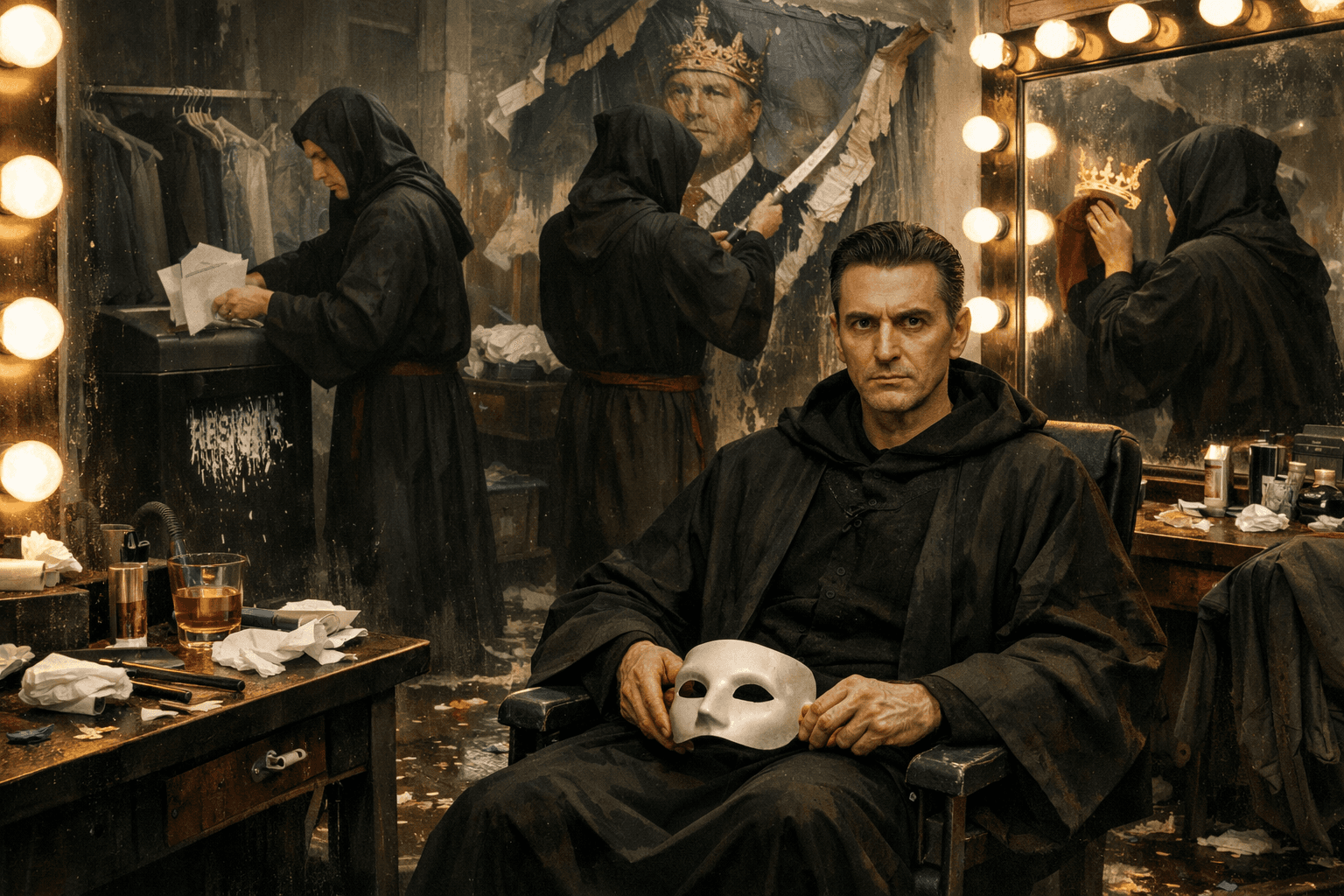
After elevating a savior figure to office, the Society discovered he wanted adoration without guidance. He began naming enemies too openly, demanding loyalty too publicly, and threatening the deniability that made the network powerful. So the Society fed scandals to enemies, withdrew applause, and let the ruler fall, sacrificing years of work to protect its invisibility. The act revealed its final conviction: no king matters more than the mechanism that manufactures kings.
