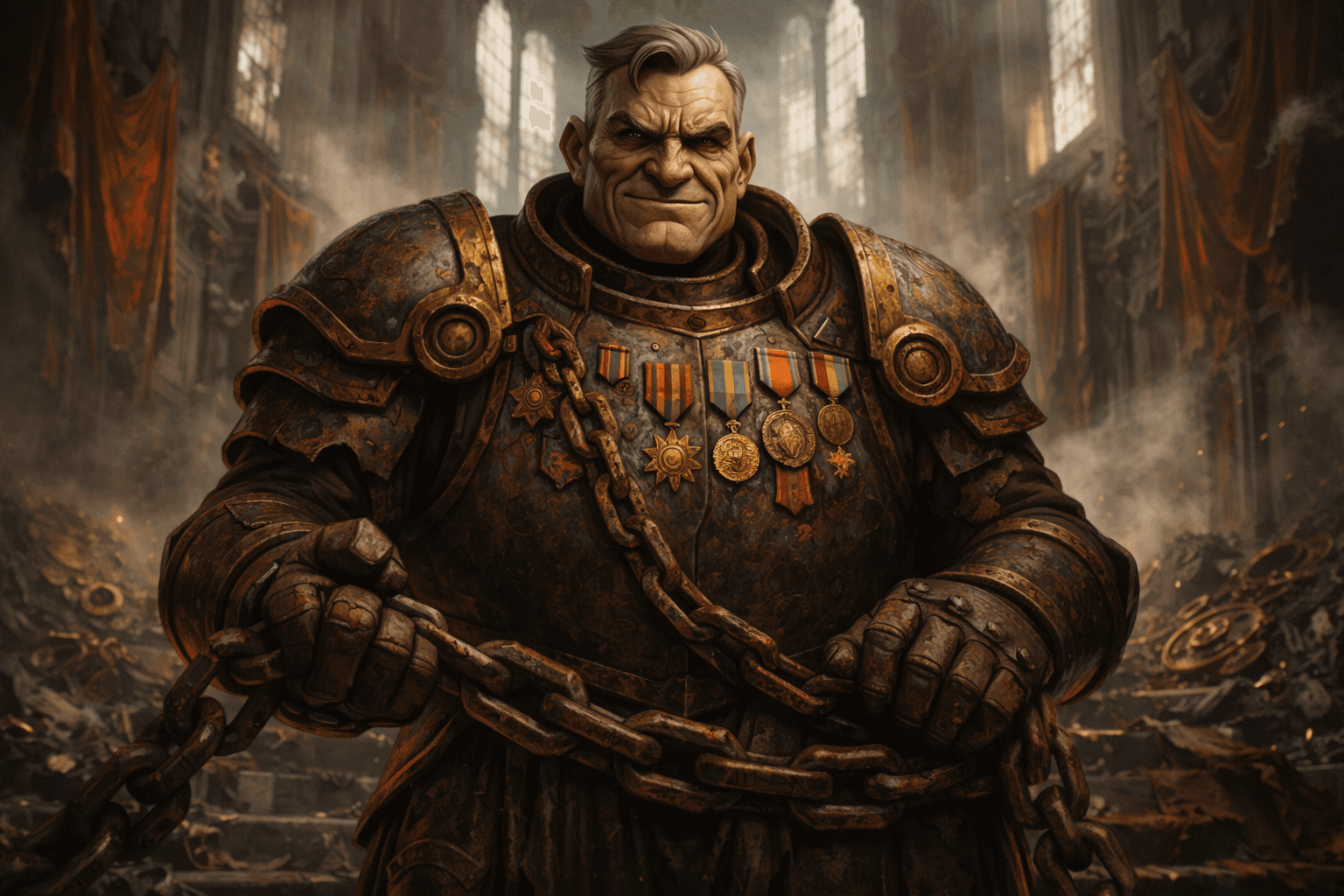
Kurt grew up in a district where the state was the only power stronger than hunger, crime, or luck. The army fed him, named him, and gave him a ladder no civilian world could match, and he mistook that rescue for universal truth. He became fearless, disciplined, and brutally dependable, earning medals in wars where young officers died chasing clever ideas without nerve.
From that he learned the lesson that shaped his life: untested genius gets people killed, while hard tradition keeps nations standing. By the end of his service, sacrifice no longer felt like a cost. To him, it had become proof of moral authority.
Peace should have retired him with honors, but civilian invention rose faster than ministries or barracks could contain. When a technology trial ended in public deaths, Kurt took it as prophecy. He pushed mandatory service, hardened institutions and preached that youth had to be broken into discipline before they could be trusted with tools that might remake society.
In time, old oaths, laws, and ceremonial codes hardened into literal chains he could throw over dissent, improvisation, and even hope itself. Now, he hunts brilliant minds not because he believes they are weak, but because he knows they could build a future that no longer asks permission from men like him.
Abilities
Primary
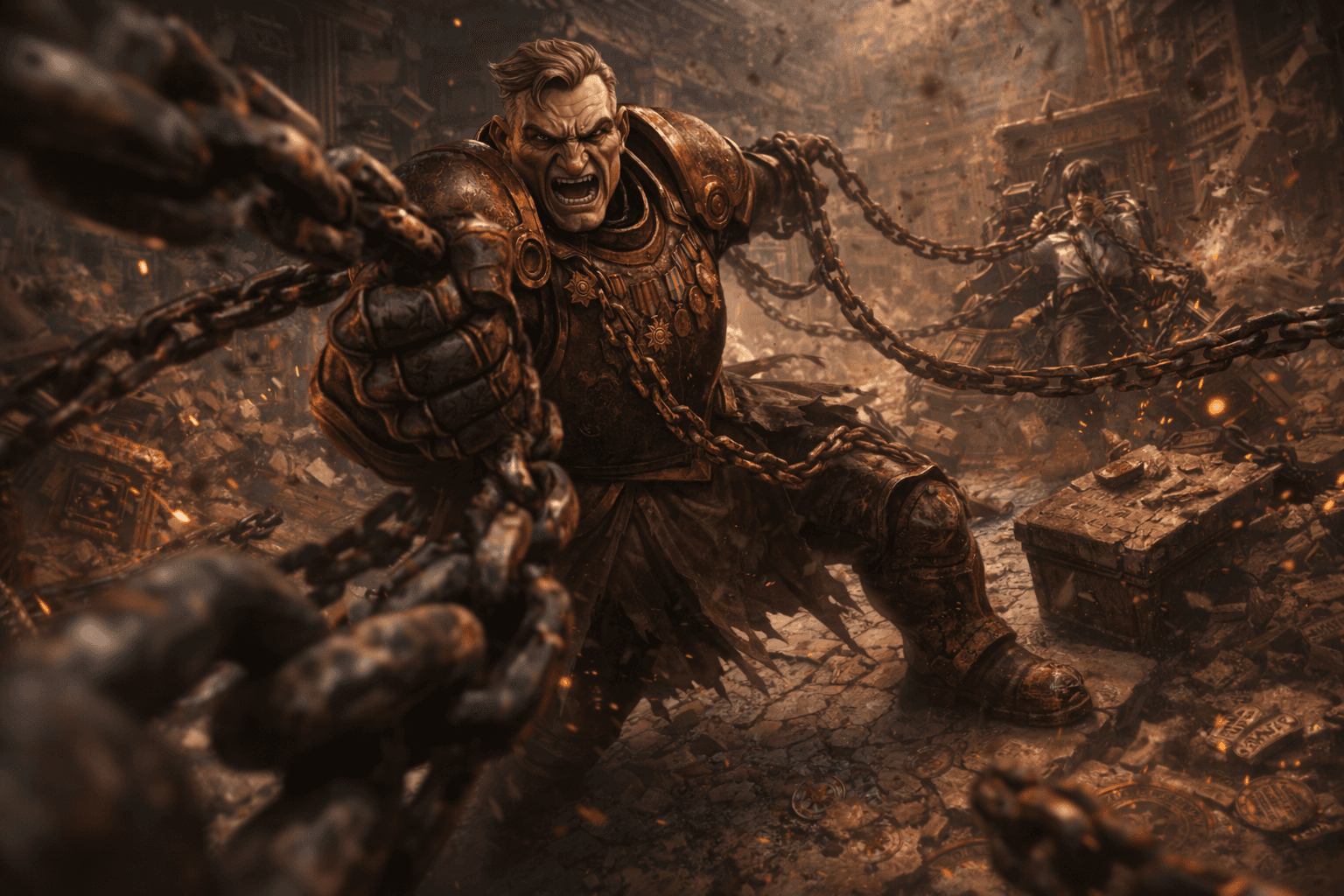
Chains of Precedent
Kurt throws iron chains forged from old laws, ritual, and deep memory. They catch targets who rely on improvisation or unproven methods, and resistance only pulls the links tighter. The power fades where no rule, title, or tradition exists to hold it in place.
Secondary
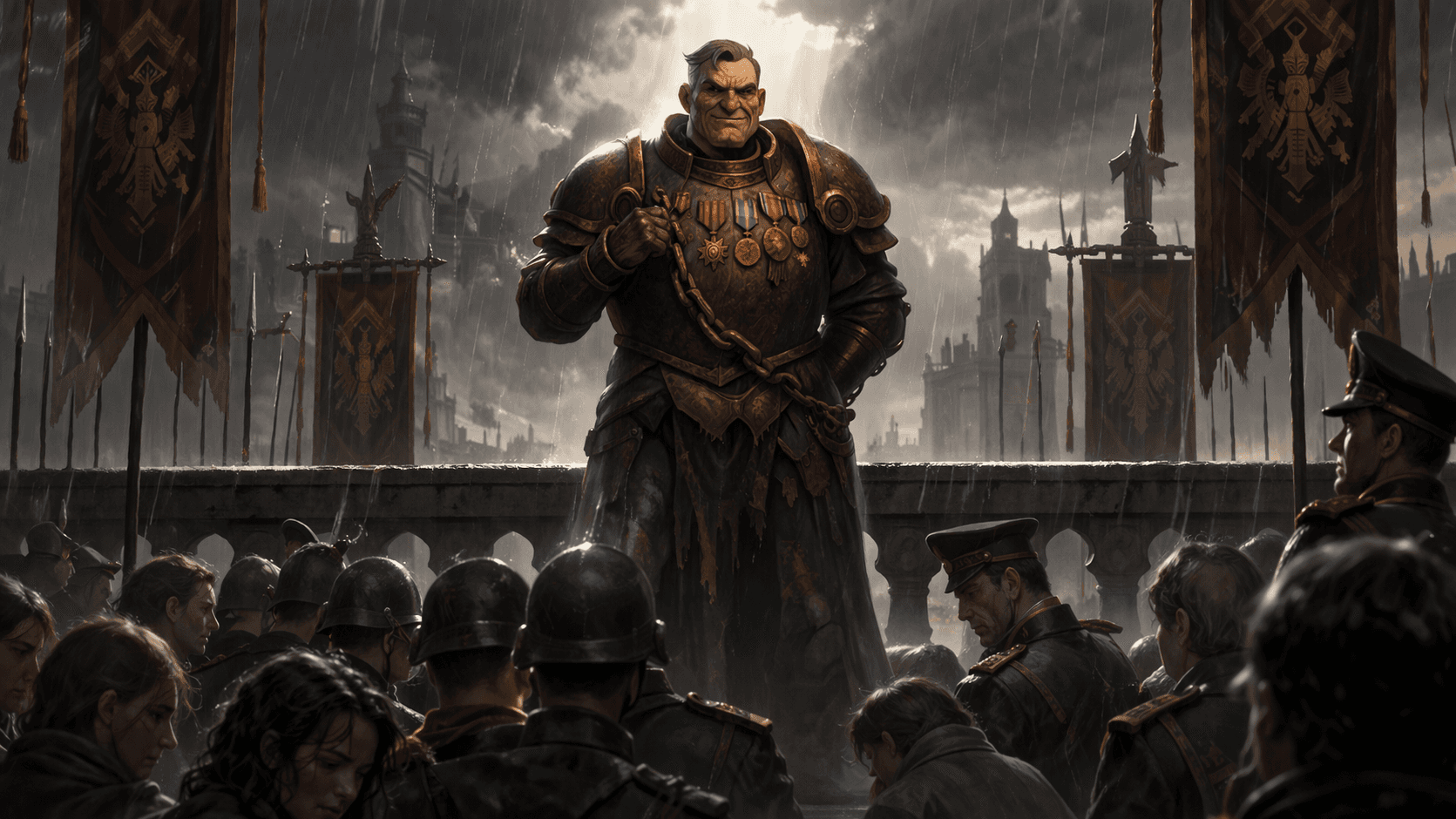
Decorated Command
Kurt’s rusted medals flare with authority, casting command pressure across a room or battlefield. Witnesses hesitate, snap into rank and police one another for disobedience. It works best on organized groups and weakens against isolated foes, unbelievers, or the fearless.
Ultimate
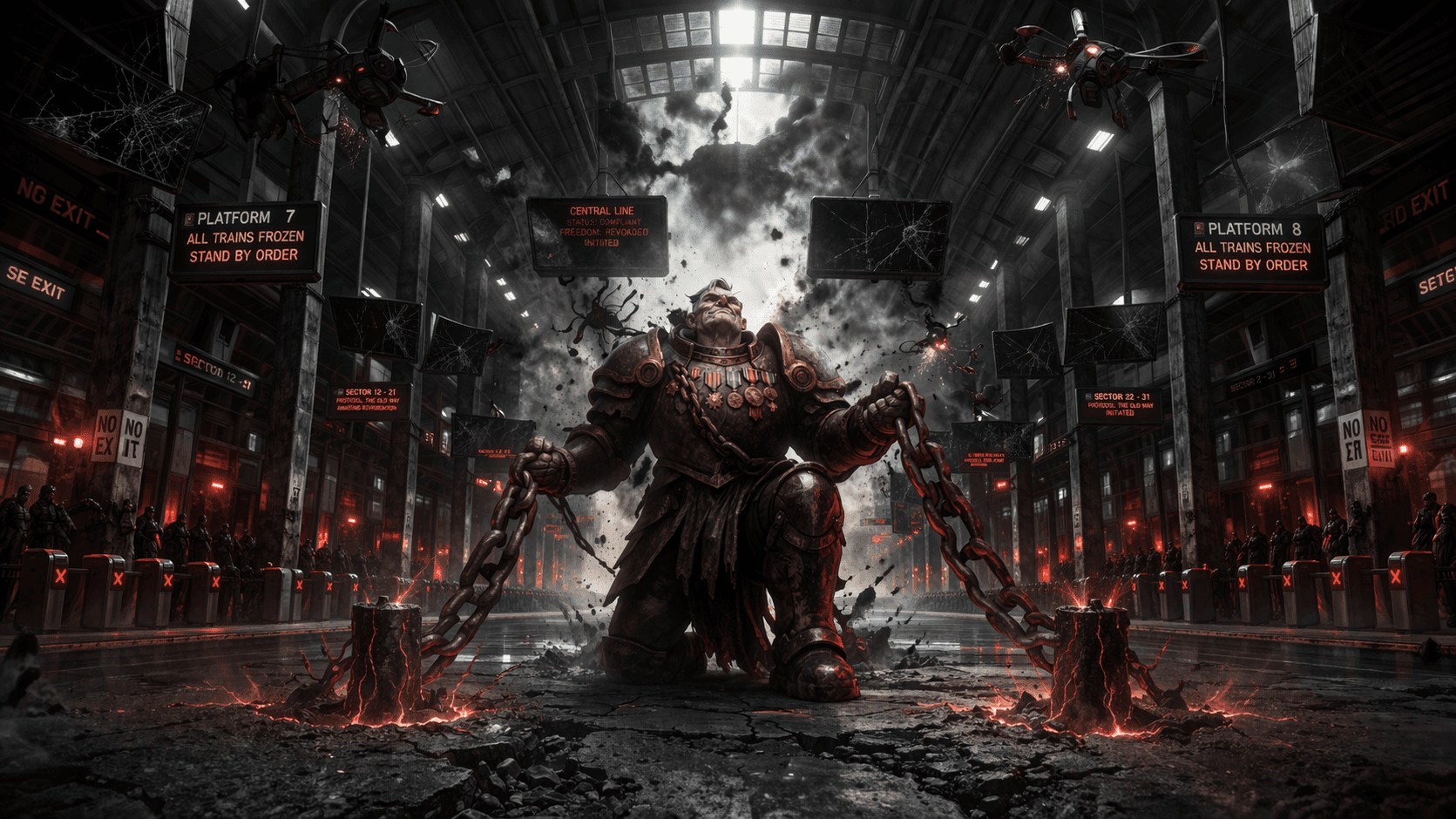
The Old Way
Kurt drives his chains into the ground and imposes a zone of order. Paths narrow into marching lanes, technology falters and defiance draws restraints. The field can be taken back, but the effect rises slowly, stays bound to the land, and pins Kurt to the ground he claims.
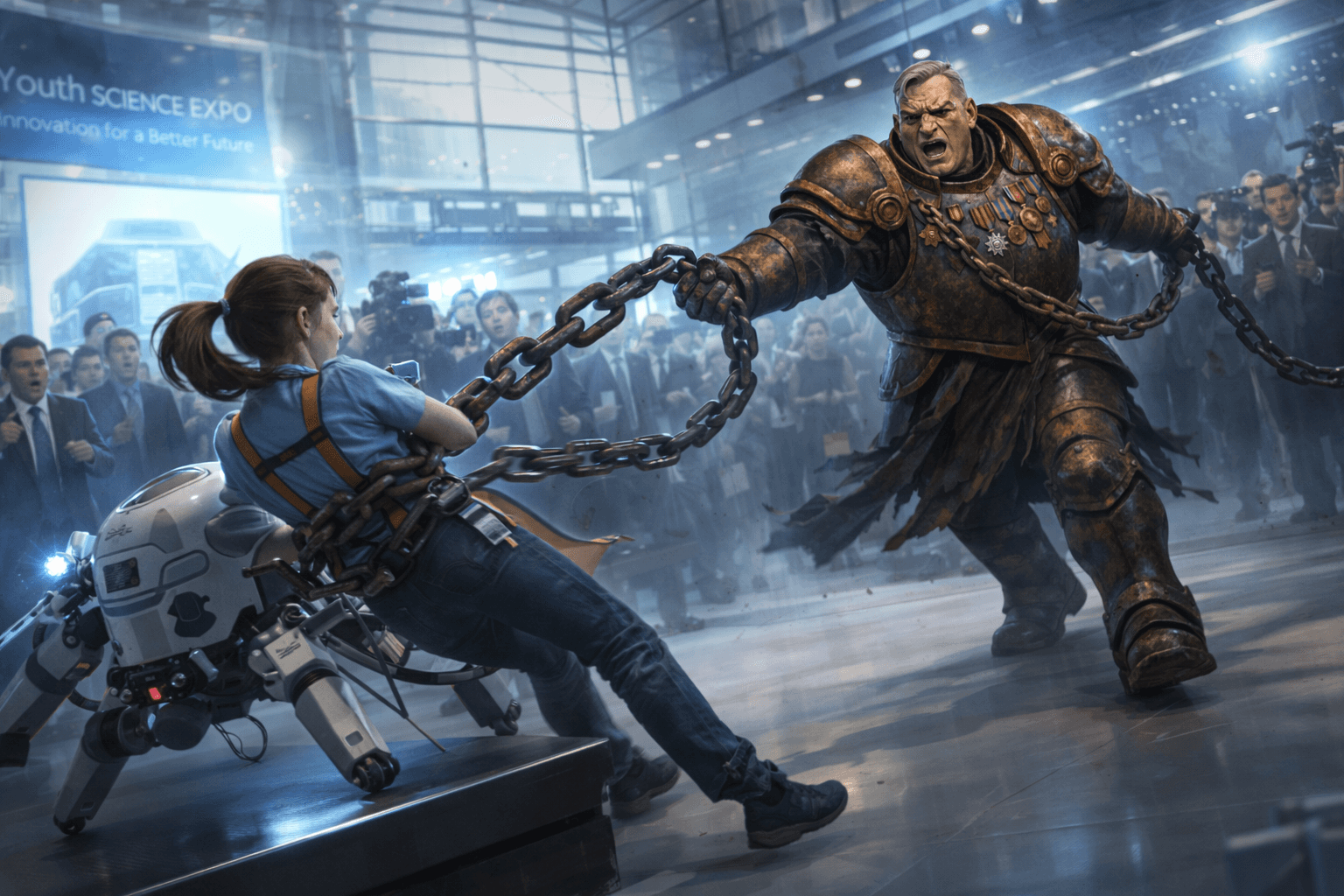
Invited to endorse a national innovation showcase, Kurt walks the exhibit floor like an inspector hunting for weakness. When a teenage engineer unveils a drone network that could replace military logistics in disaster zones, he lashes chains across the stage, binding the machine to its maker. He declares that talent without discipline is sabotage waiting for the next crisis, then orders the prototype seized and removed as a lesson in who gets to define progress.
During a collapsing border defense, Kurt’s veteran formations buckle under adaptive machines. A young signals prodigy offers an experimental countermeasure that could turn the enemy back, but it would bypass protocol and place command in civilian hands. With his officers watching, Kurt chooses doctrine over survival. He chains the prodigy for insubordination, holds the old formation, and wins only through horrific losses that preserve his control while laying bare its human cost.
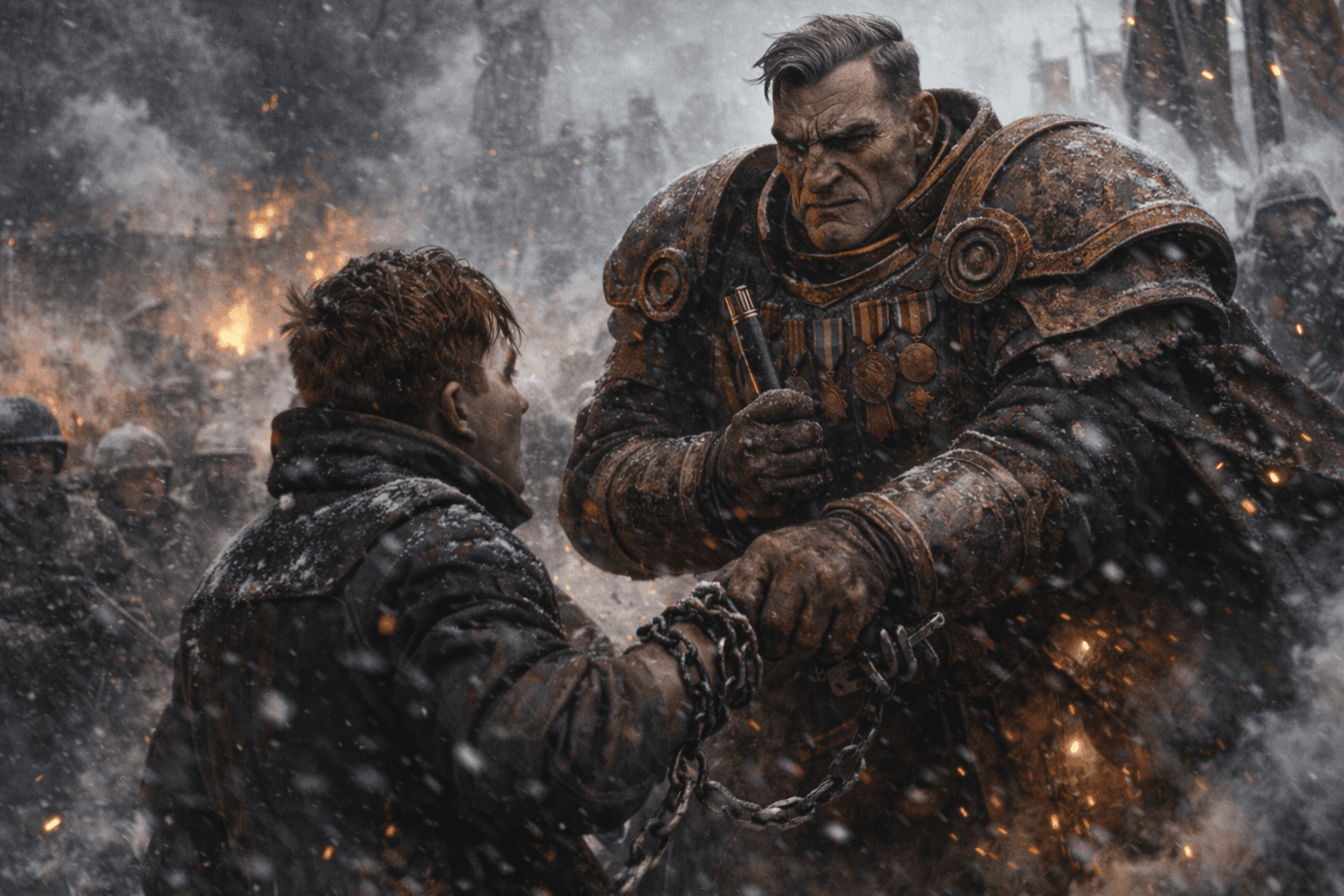
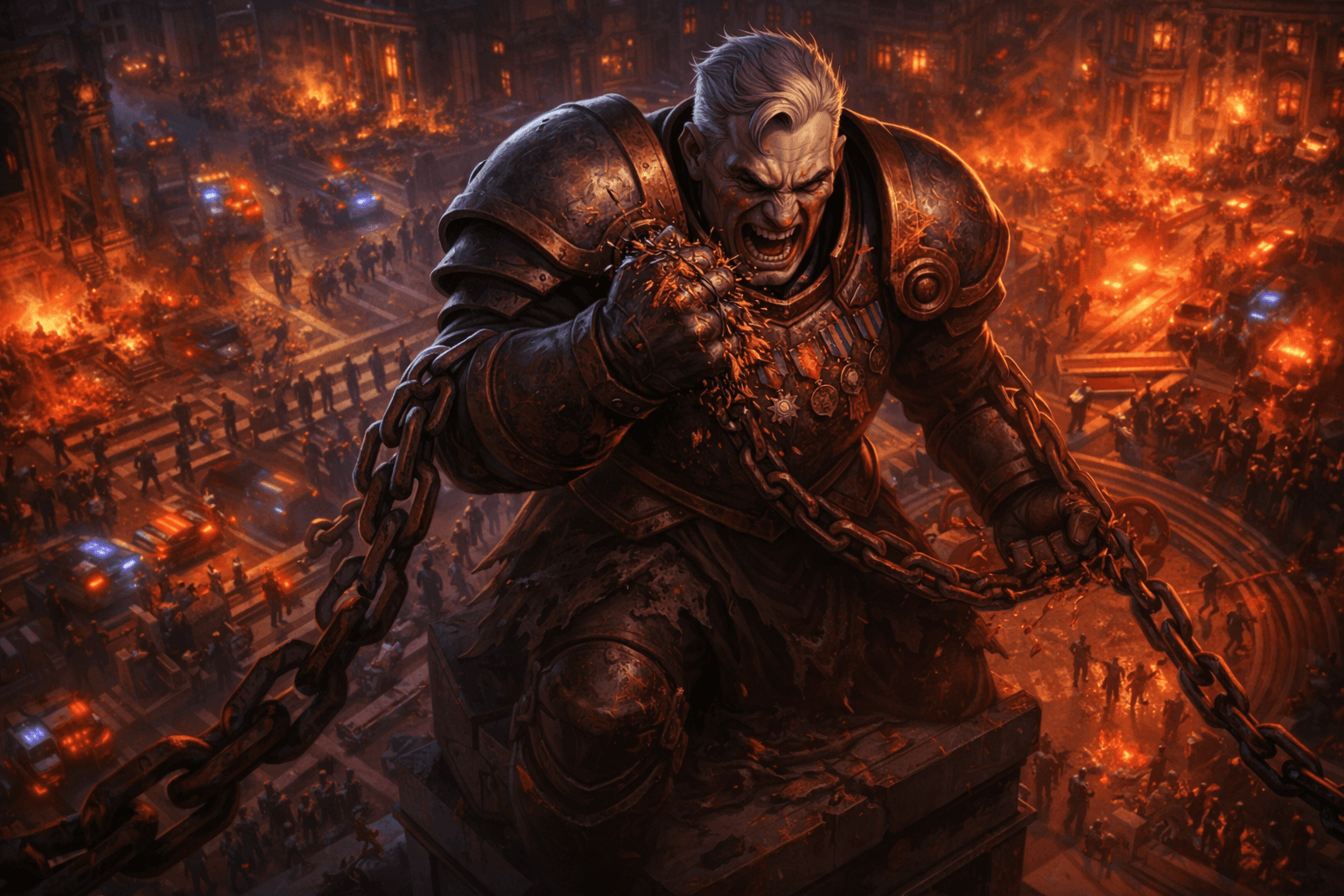
When officers, engineers, and civilians breach his command district, Kurt reaches the point where victory, legacy, and identity collapse into one choice. Rather than flee or negotiate, he crushes his rusted medals in his gauntlet and feeds their history into his chains, unleashing The Old Way over the city center. Streets become parade lanes and survivors are sorted by rank and function. He holds order for one final night, but destroys the last symbols proving he ever earned it.
