
David starts in Bethlehem as Jesse’s youngest son, a shepherd sent to the fields while his older brothers stand where people can see them. Scripture gives him no grand entrance; his first pressure is how easy he is to miss. And that matters, because God still sends Samuel to anoint him, choosing the hidden son after passing over the obvious ones. From that point on, David lives inside a hard tension: chosen, but not yet crowned.
He is drawn into Saul’s court for his music and quickly learns that being called by God does not remove fear, jealousy, or the wait before God.
His public rise begins when he faces Goliath with a sling and clear trust in the LORD, but his deeper forming comes after that. He lives through exile, refuses to kill Saul to force his own future, becomes king over Judah and then all Israel, and makes Jerusalem the center of rule and worship. God promises him an enduring house, yet David’s story never becomes simple triumph. His sin with Bathsheba and his part in Uriah’s death bring prophetic rebuke, family grief, and consequences that remain.
Even then, he confesses, repents, and keeps turning to God, leaving a biblical legacy that is both warning and witness to mercy.
Abilities
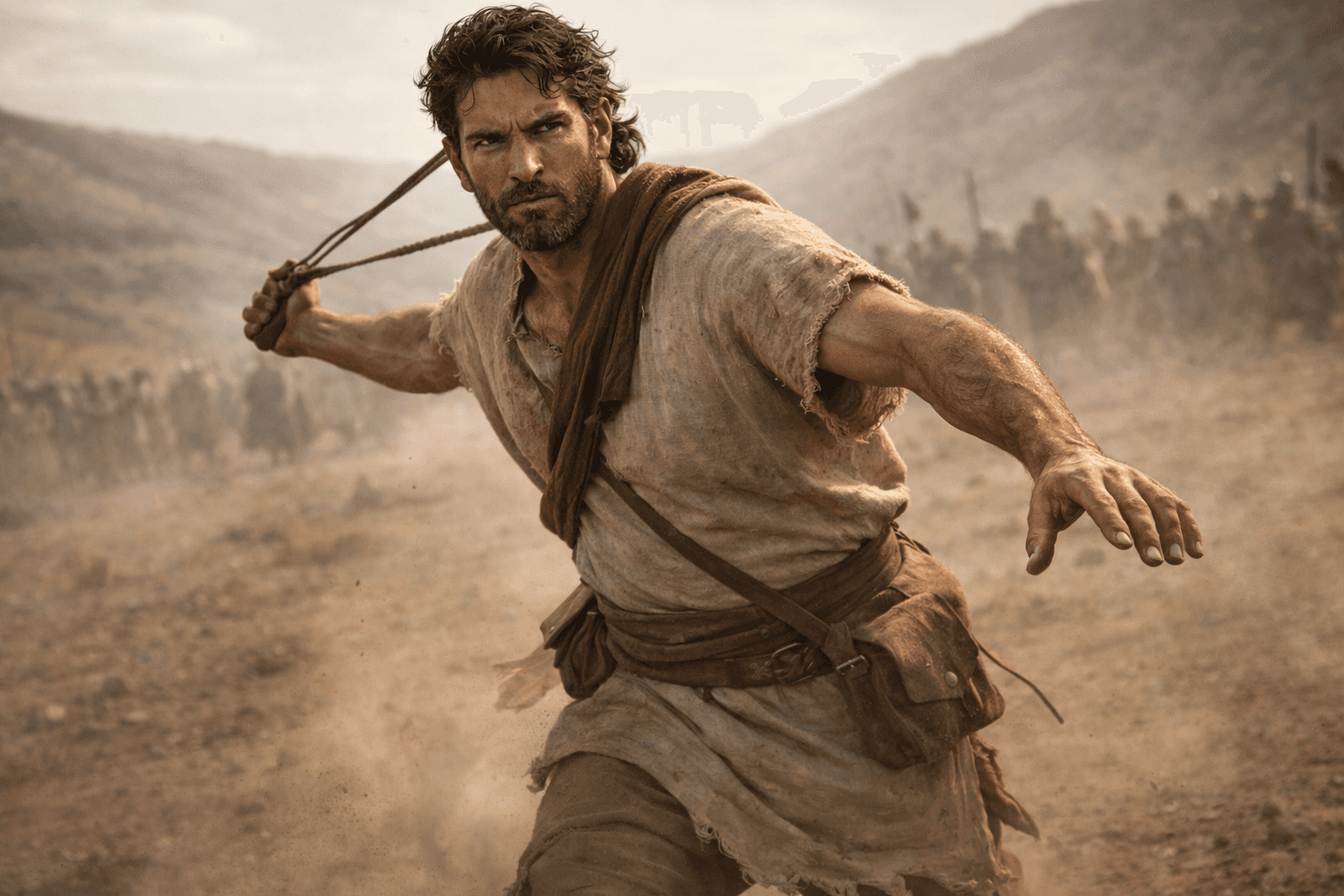
Primary
Tested Courage
David’s signature strength is steady action when others freeze. He trusts what God has given him, rejects armor he has not tested, and uses simple tools with skill. The fantasy is the underdog with a sling; the limit is that this is not magic but trained courage under God.

Secondary
Psalm-Shaping Voice
David can turn fear, grief, guilt, and praise into words and music that steady people. He soothes Saul with the harp, leads worship, and gives language to prayer. The fantasy is a leader whose songs reach hearts; the limit is that music can comfort, not erase consequences.
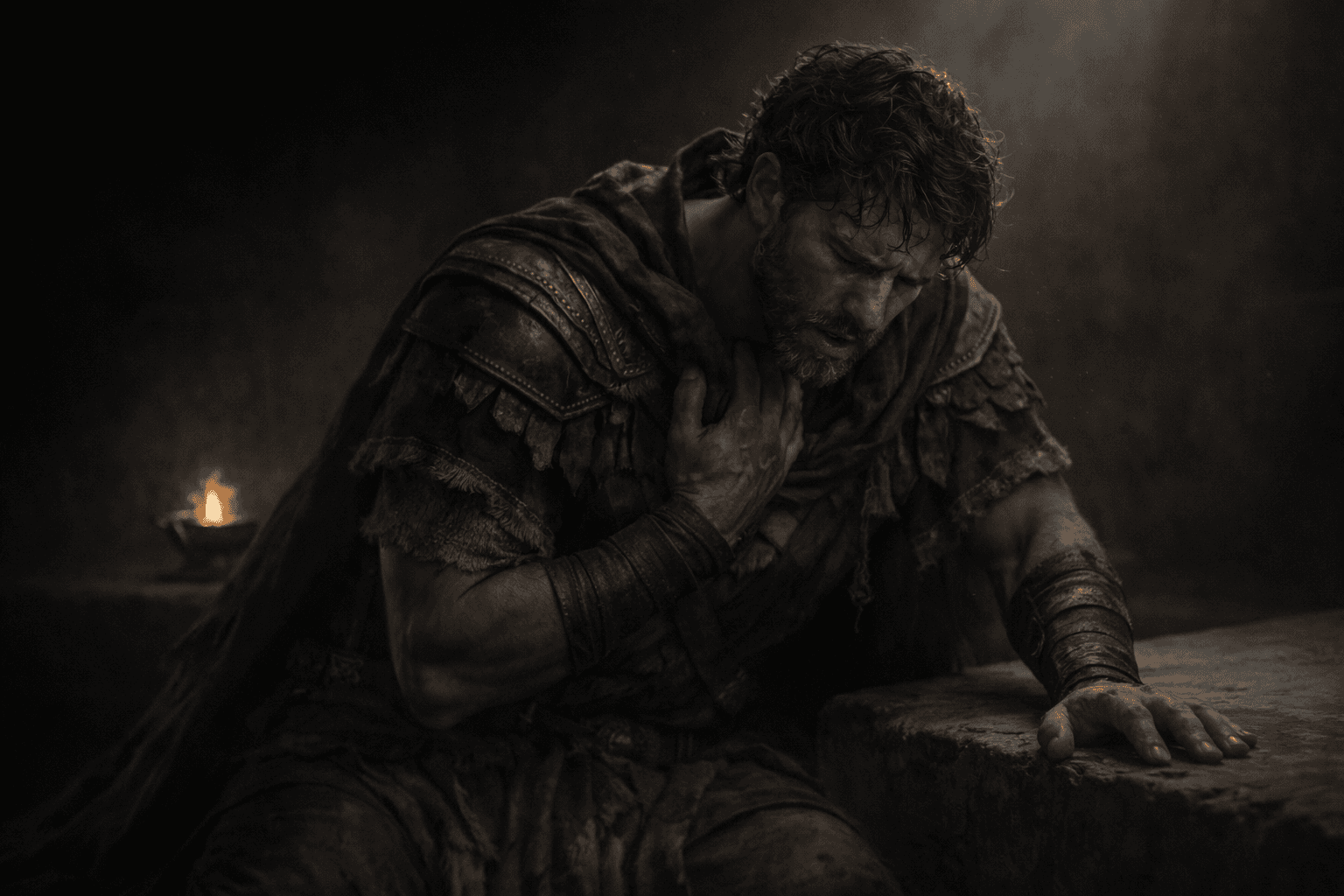
Ultimate
Repentant Return
David’s hardest strength is the ability to stop defending himself once sin is exposed and return to God in confession. He can admit his guilt before the LORD. The hope is restoration after failure; the limit is severe: repentance brings mercy but it does not undo damage.

When Goliath mocks Israel and defies the living God, David is still the boy no one expects to matter. He refuses Saul’s armor, walks onto the field with a sling, and frames the fight around God’s honor instead of his own image. This reveals his baseline identity: he is not fearless because he thinks he is great, but because he believes God is greater. The victory begins his public story, and shows his core pattern—David moves when trust in God becomes clearer than intimidation.
While Saul hunts him, David gets more than one chance to end the threat with his own hand. Instead of killing the king, he refuses to strike the LORD’s anointed and leaves judgment to God’s timing. This is David under pressure, not in triumph. He is threatened and surrounded by men who think violence looks wise. His restraint matters because it shows that his faith is not only loud on battlefields. It can also refuse a shortcut when that shortcut seems useful and justified.
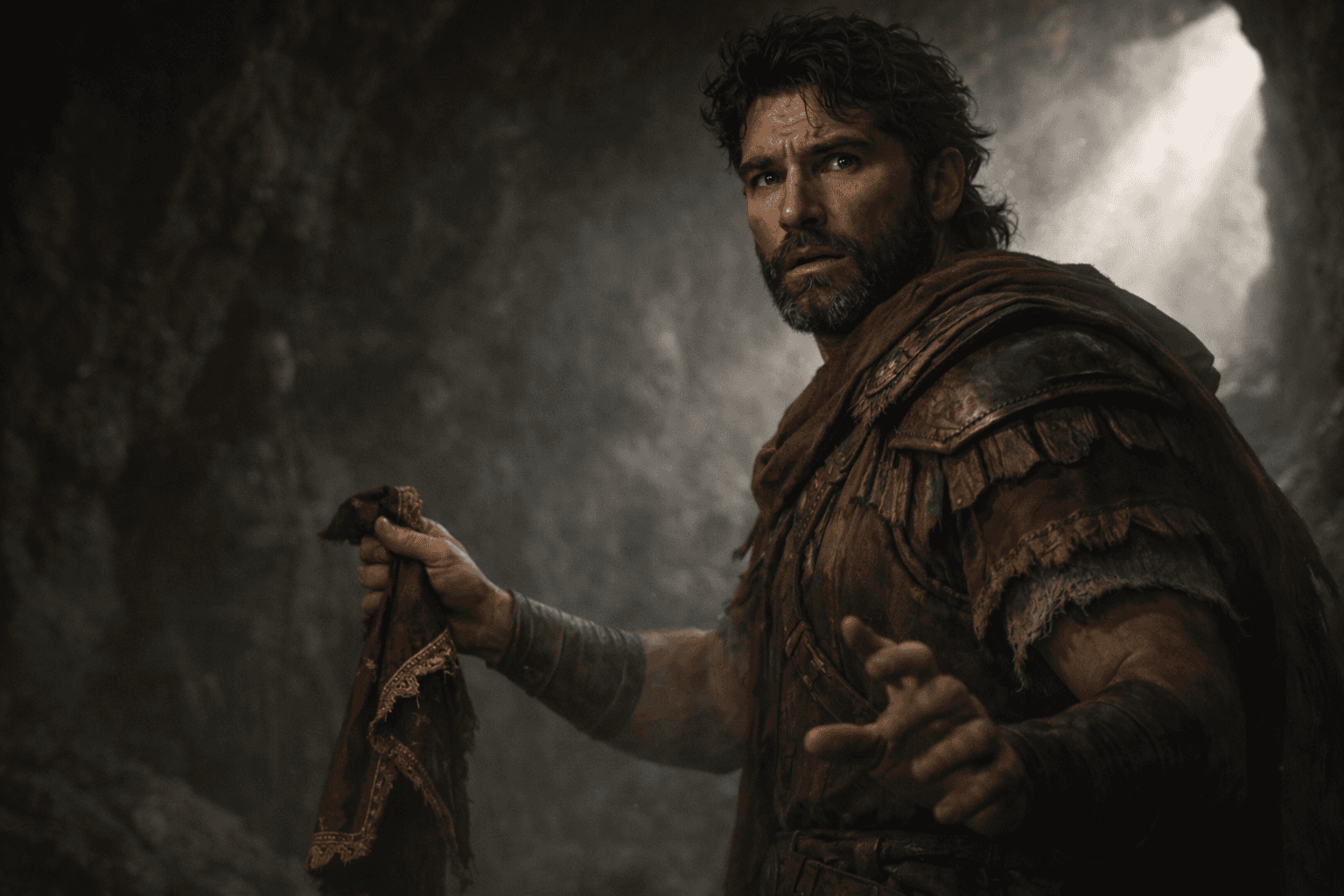
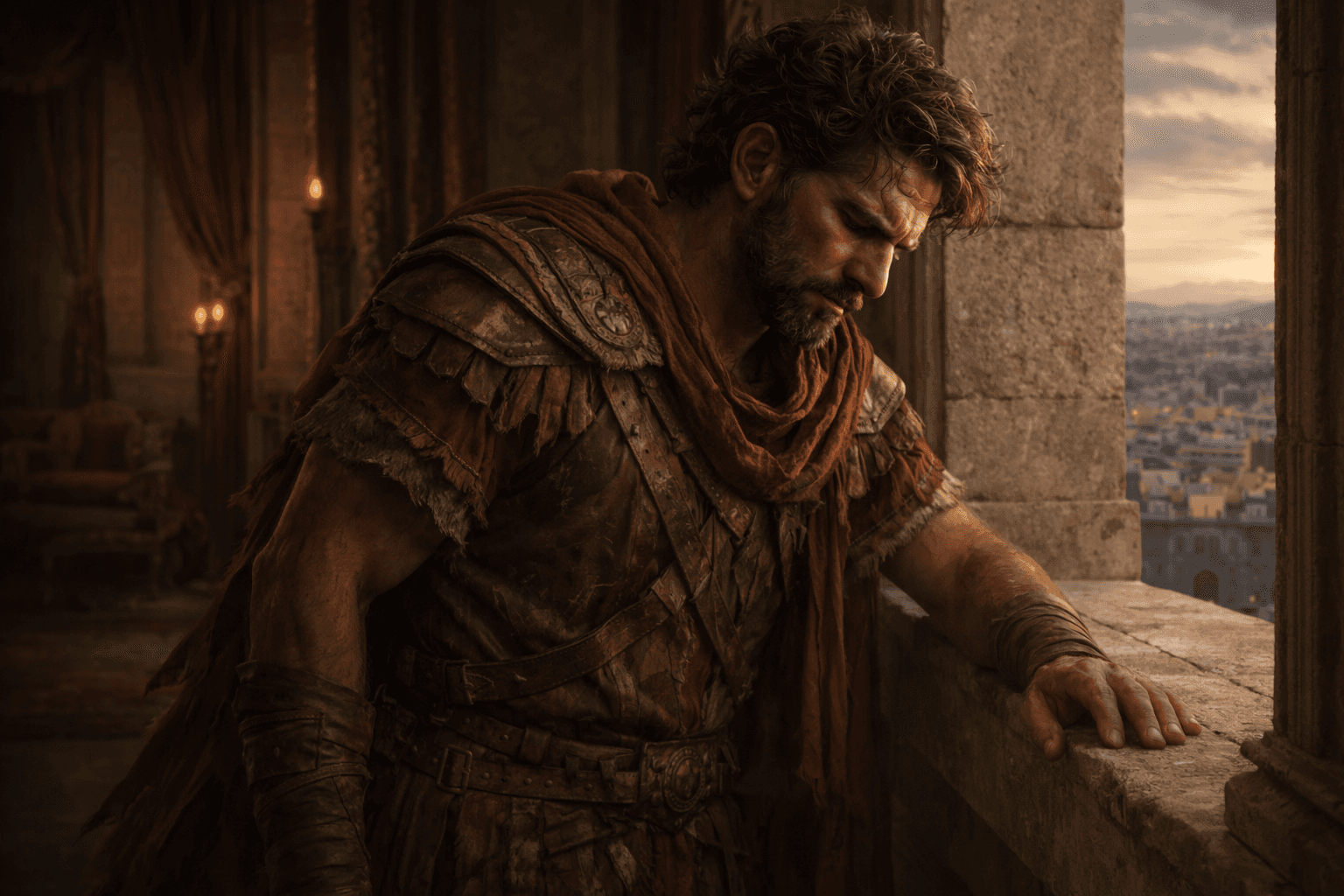
After David’s sin with Bathsheba and his role in Uriah’s death, Nathan confronts him with a story that breaks through his self-protection. David does not stay in denial. He admits that he has sinned against the LORD. This reveals change and cost at once. He turns back to God, yet consequences do not vanish: grief follows, and repentance does not rewrite the damage. That is why this scene defines David. His greatness is no longer in winning but in telling the truth before God.
