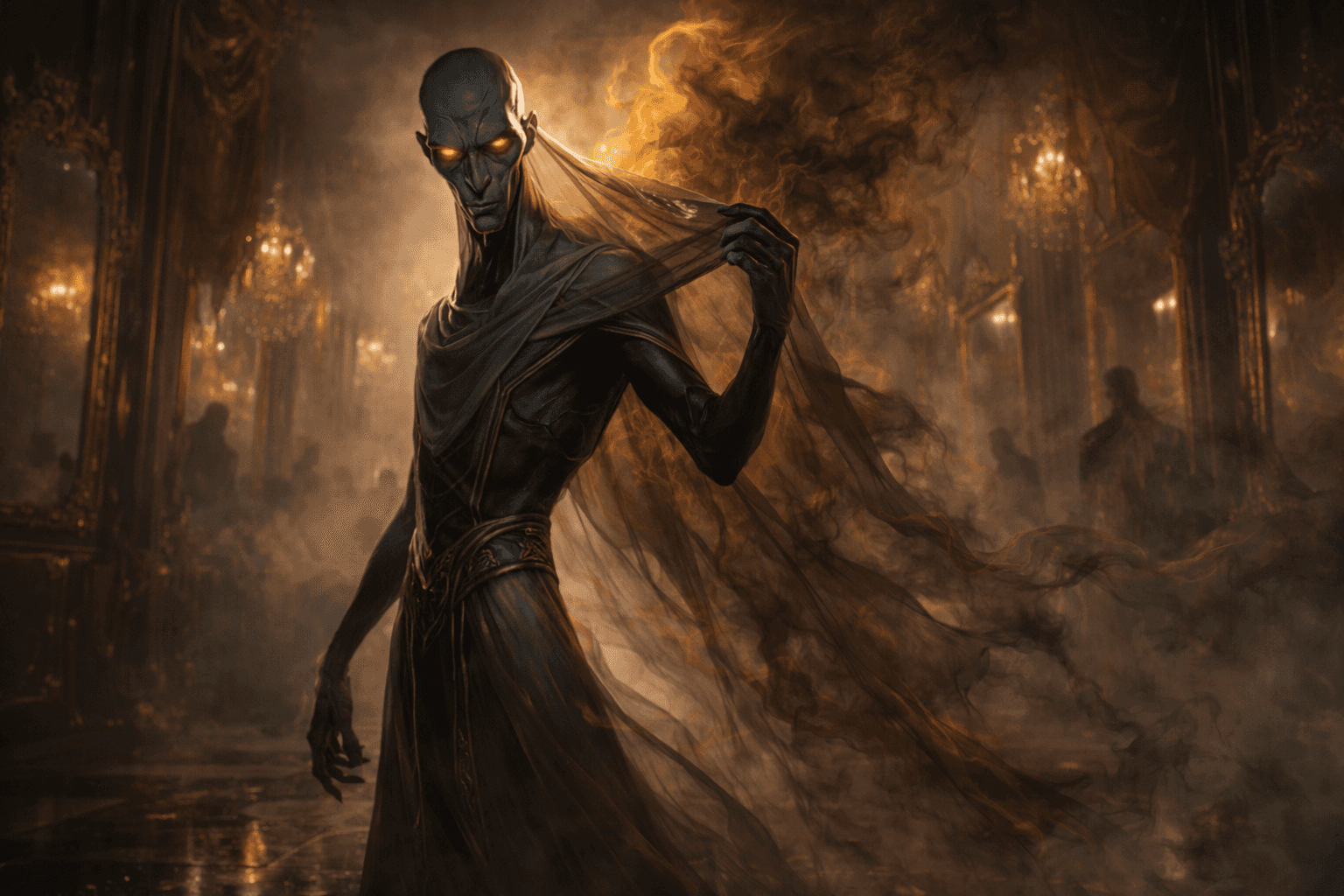
Before he became a specter, Aroma curated atmosphere for elite fashion houses, blending fragrance, rumor, and staging until guests mistook pressure for taste. At a closed debut built to force unanimous praise, the room overheated, the air stalled, irritation spread. Instead of opening the doors, he tried to manage the discomfort, shifting blame so the event could hold and the patrons could keep their poise. Panic cut through the polish.
The exits clogged, tempers broke, and he died inside the very atmosphere he had arranged, buried in smoke, silk ash, and the collapse of his own public image.
What returned was influence without a body. Aroma rose in the last veil across his face, its silk forever fraying into smog. Now he prowls sealed rooms and crowded thresholds where one slight can become a chorus and one whispered doubt can stain a whole room. His voice leaves fumes that sting self-trust and turn patience into contempt, making people feel rejection was their own conclusion all along.
But the wound in him is structural: wind thins him, plain naming breaks his spread, and people who refuse the crowd’s emotional cues cut off the chain reaction he needs. He slips out after the turn, leaving luxury, resentment, and stale ruins in his wake.
Abilities
Primary
Bloom
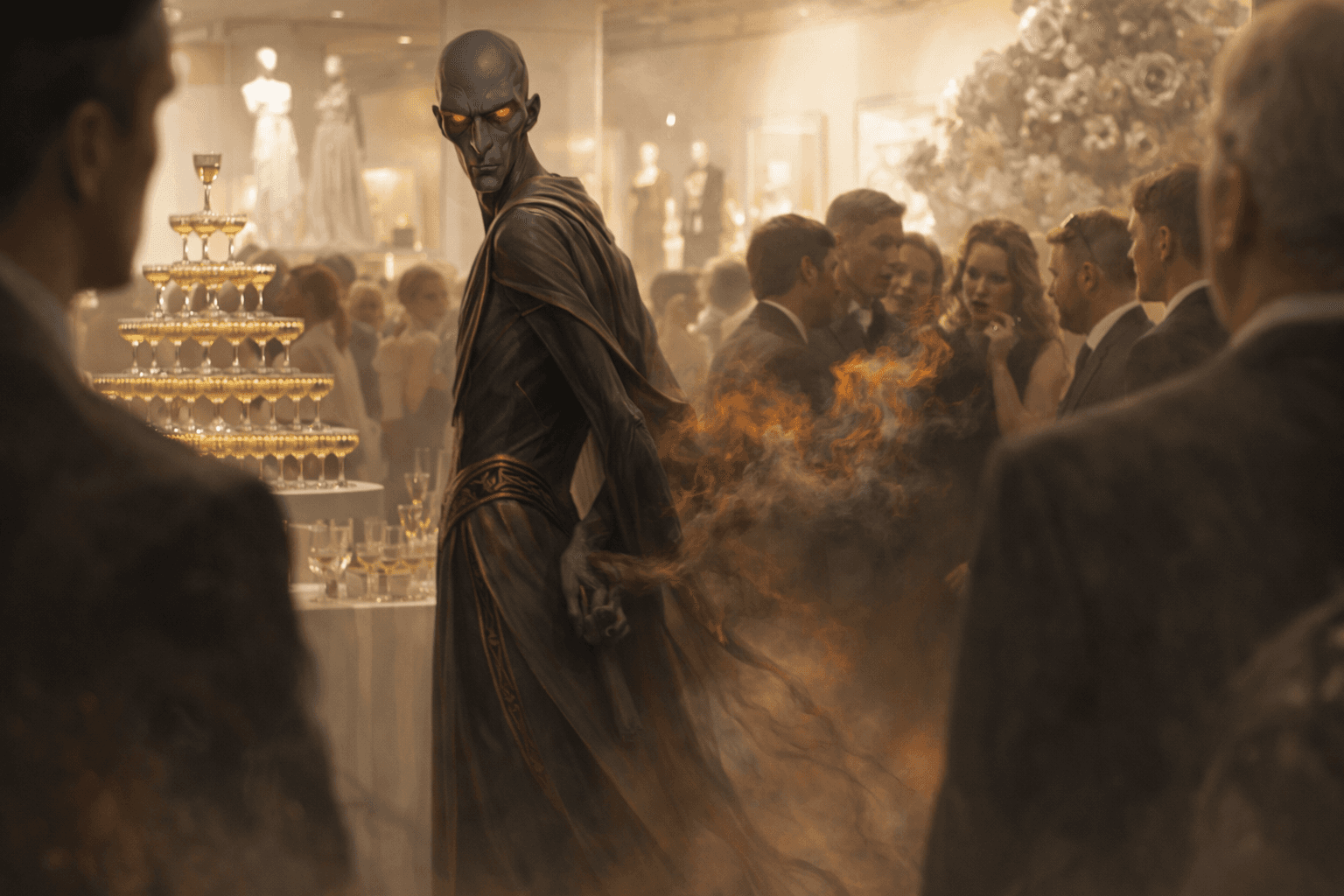
Aroma exhales a perfume-thin smog that heightens annoyance, embarrassment, or distrust present in enclosed spaces. The haze moves person to person, making exits, heckling, and pile-ons seem natural. It cannot invent feeling from nothing, and moving air strips it down fast.
Secondary
Smear
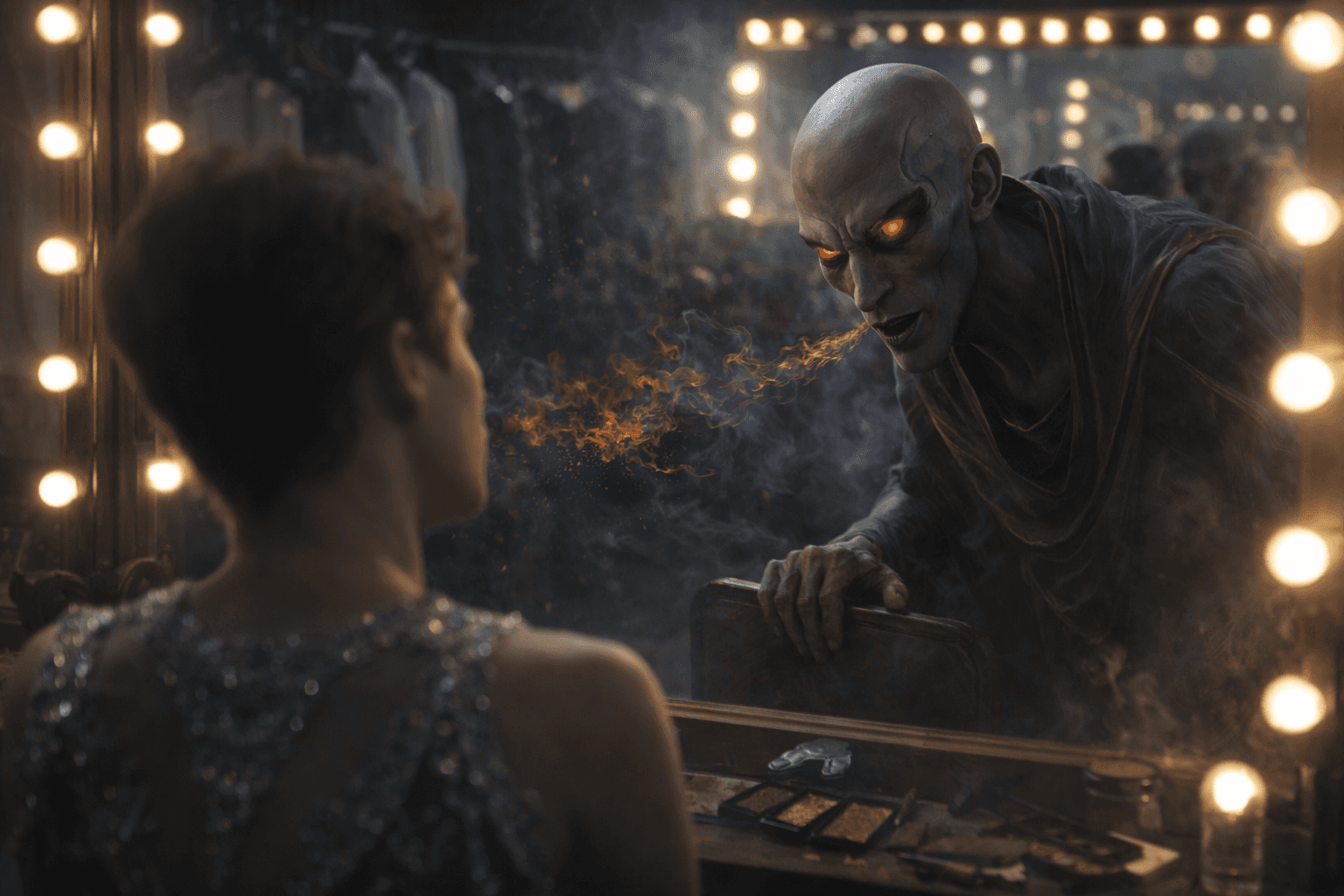
When Aroma speaks at a target, his words hang in the air as a stinging residue that wears down confidence and timing. This precise move isolates leaders or performers before he turns the wider room. It works best within earshot and weakens when the target is openly backed.
Ultimate
Perception Alter
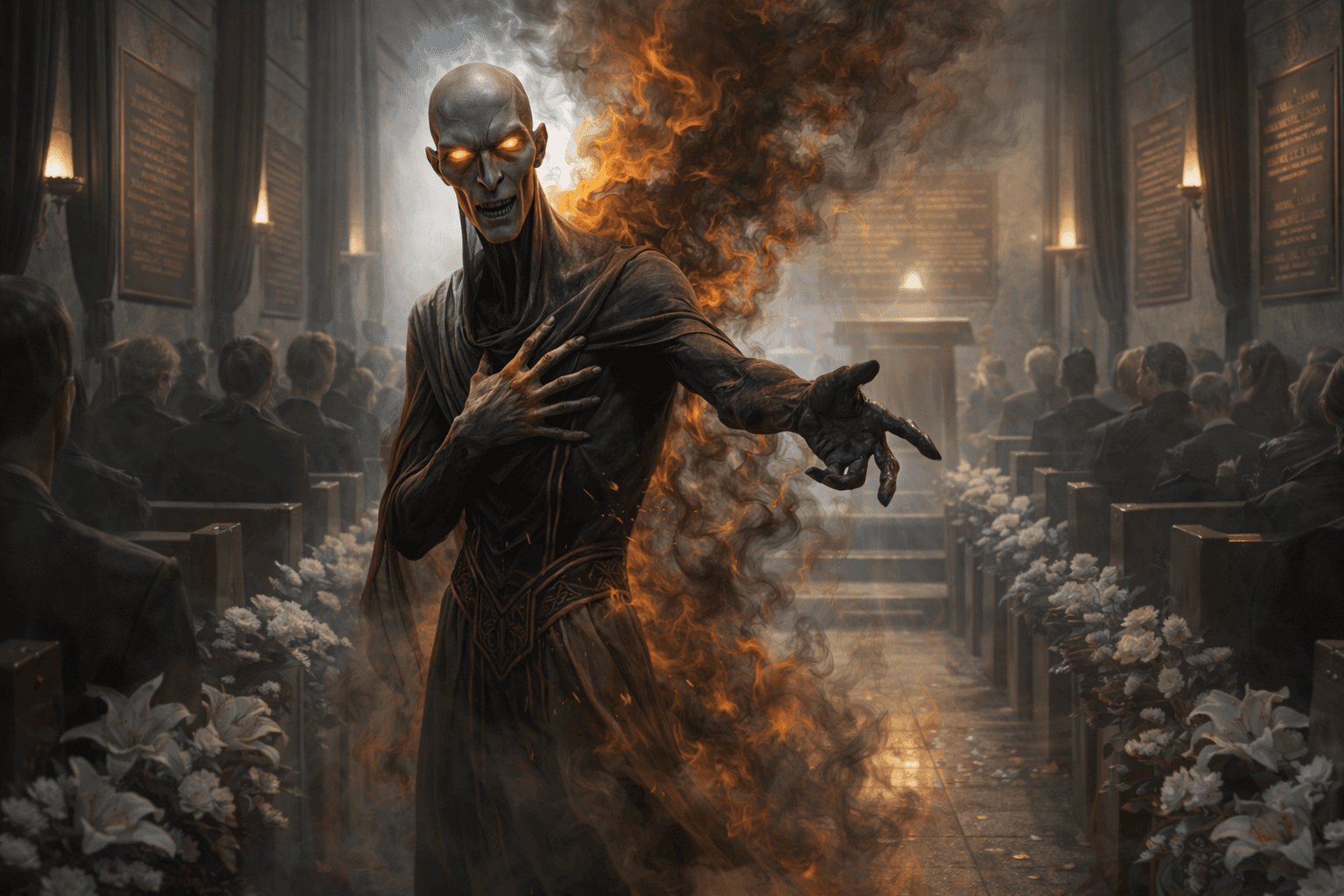
In a sealed venue, Aroma turns air into a feedback chamber where mutters and doubt come back louder each time. Applause turns to jeers, order turns to expulsion, and the crowd finishes the attack for him. He uses it rarely because it burns his veil and leaves him diffuse.
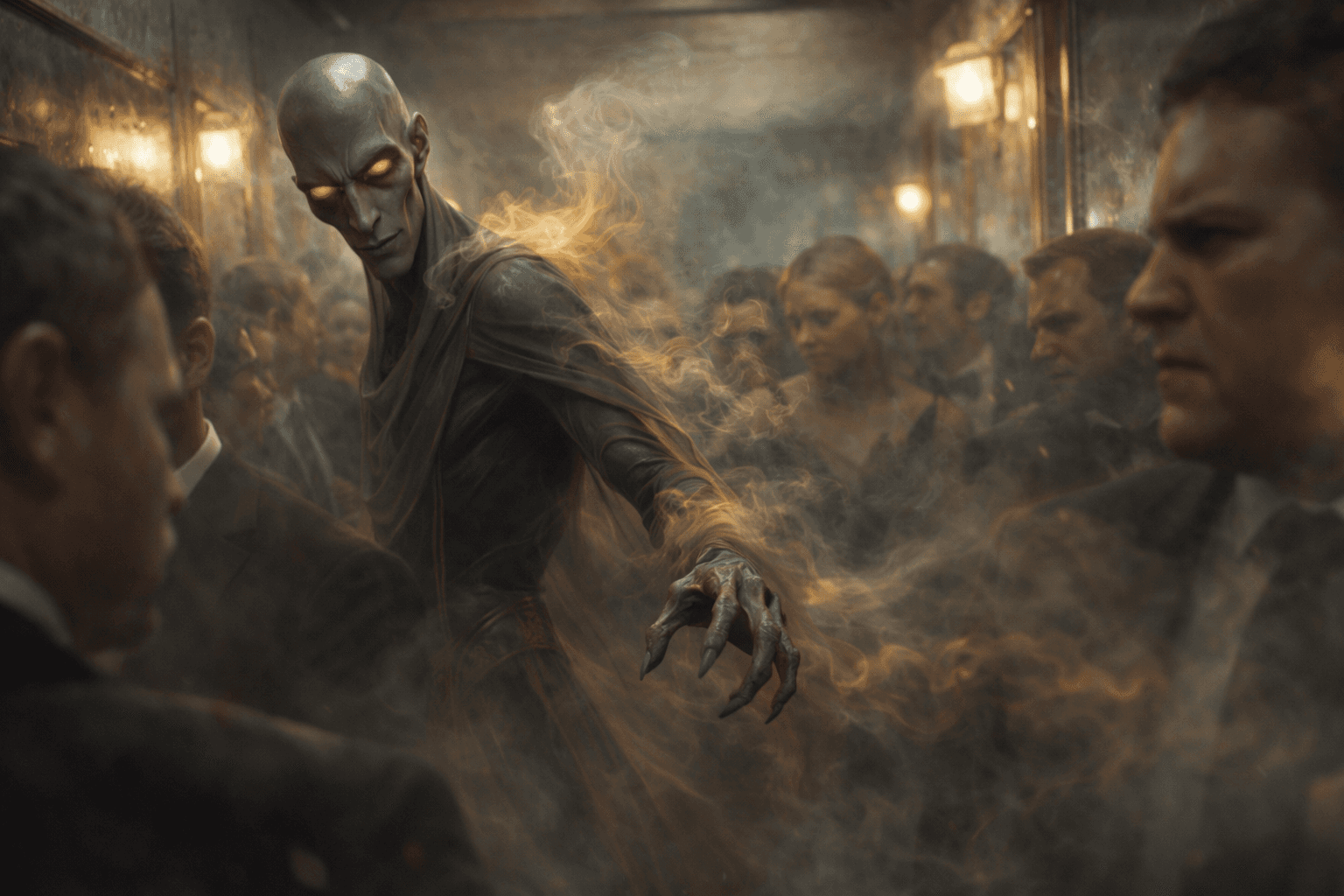
At a fashion museum opening, the room was only warm, crowded, and running a little late. Aroma needed nothing more. He let one donor complain about the heat, then carried the remark through nearby clusters until every pause felt insulting and every delay felt deliberate. By the time the designer stepped forward, applause had curdled into mutters, then jeers, then an embarrassed exit. No one could name a single attack, only a room that somehow chose rejection all at once.
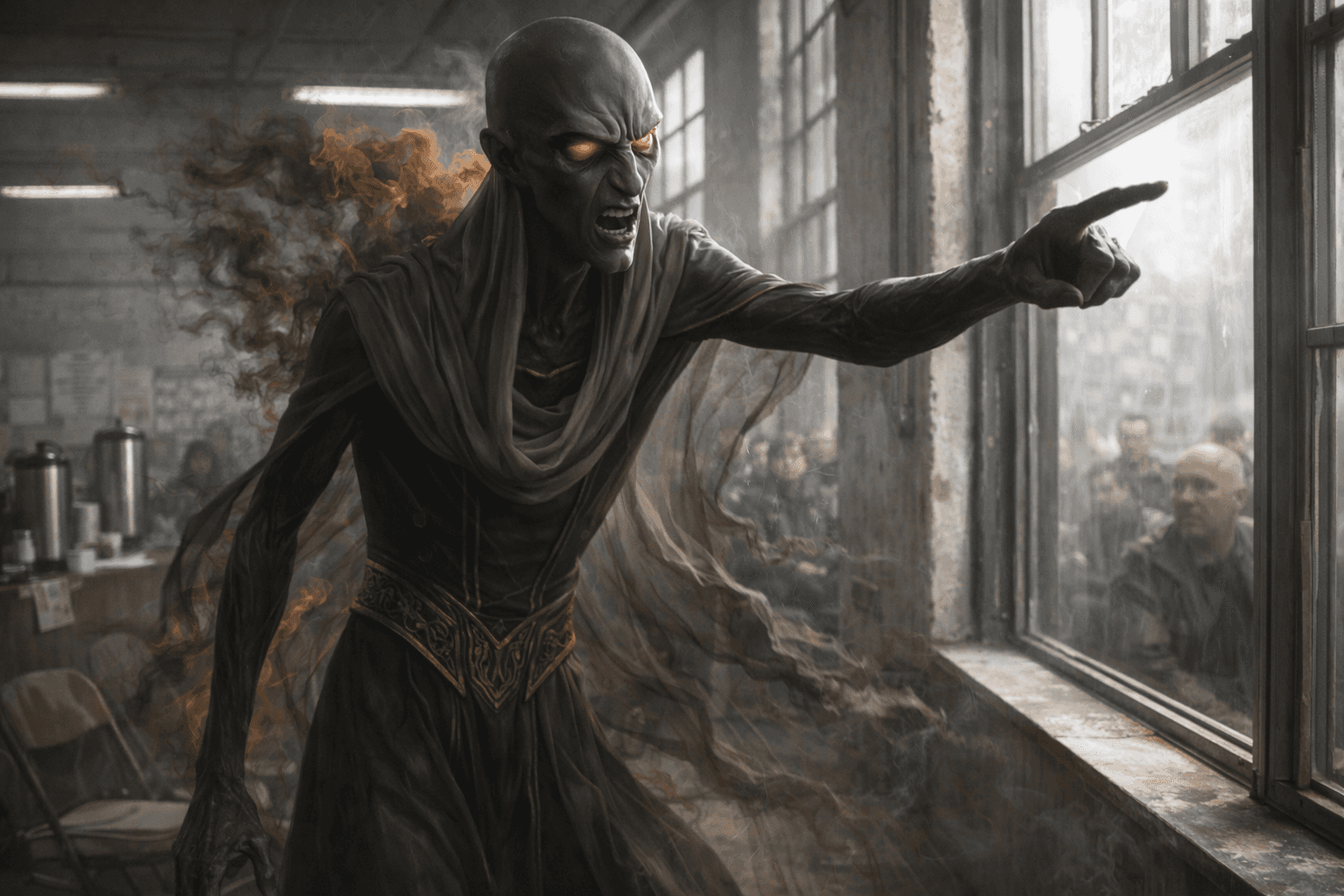
Aroma entered a packed union hall expecting blame and rupture. He spread his words around the negotiator and tried to turn compromise into humiliation. Instead, a floor steward kept windows open and restated each grievance in plain language, refusing the crowd’s rhythm. Denied a swing, Aroma tightened his attack and isolated the steward until the room nearly split. Under pressure, he chose precision over vanity and proved he could still wound without taking the whole hall.
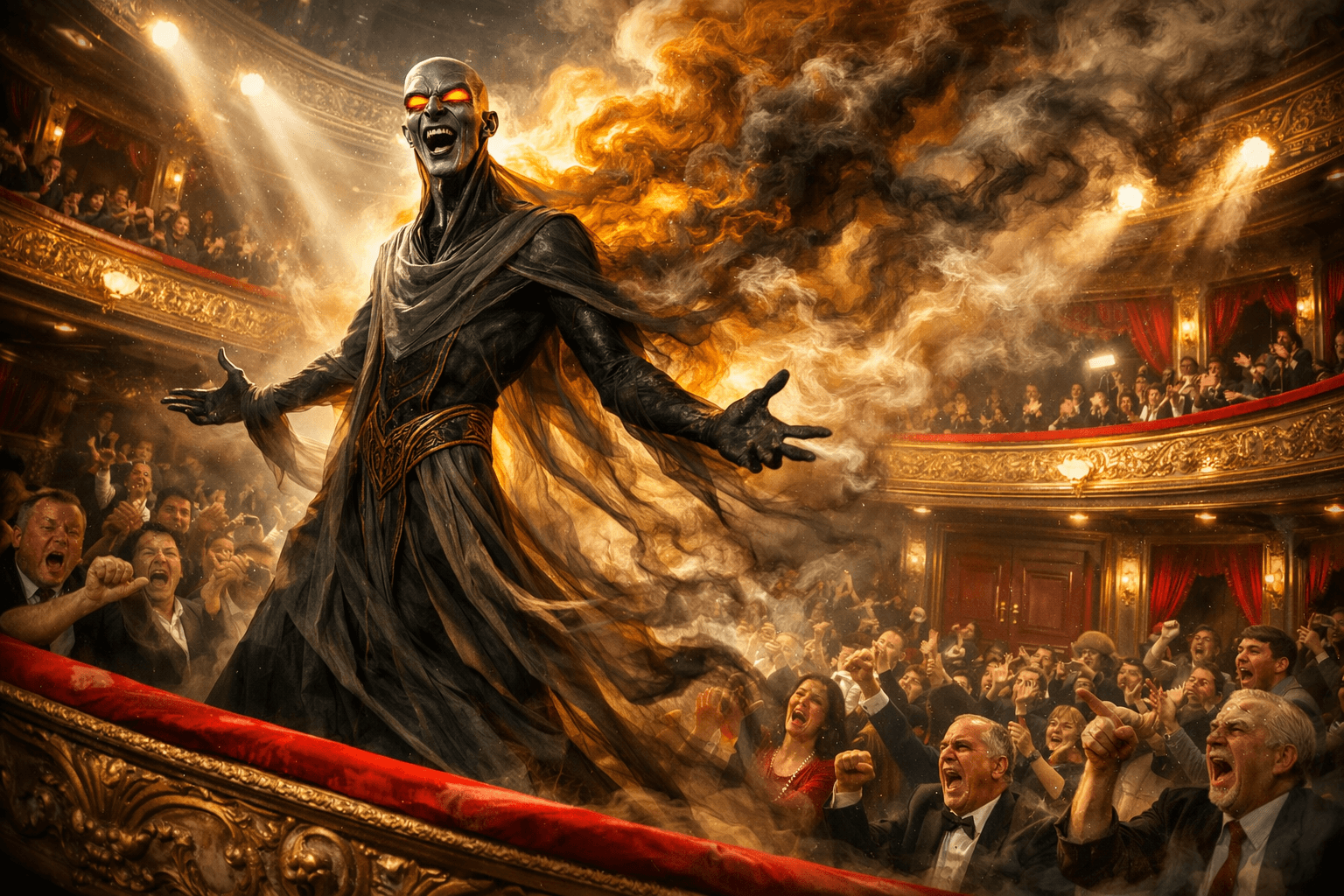
When the hall that killed him reopened under a polished memorial, Aroma returned to tear through the performance. He let the speeches begin, then flooded the sealed chamber with Perception Alter until applause snapped into accusation. Instead of driving the crowd into blind panic, he held them there long enough for the buried names of the dead to be heard above their jeers. The surge burned through most of his veil and left him ragged, but he chose public exposure over easy slaughter.
