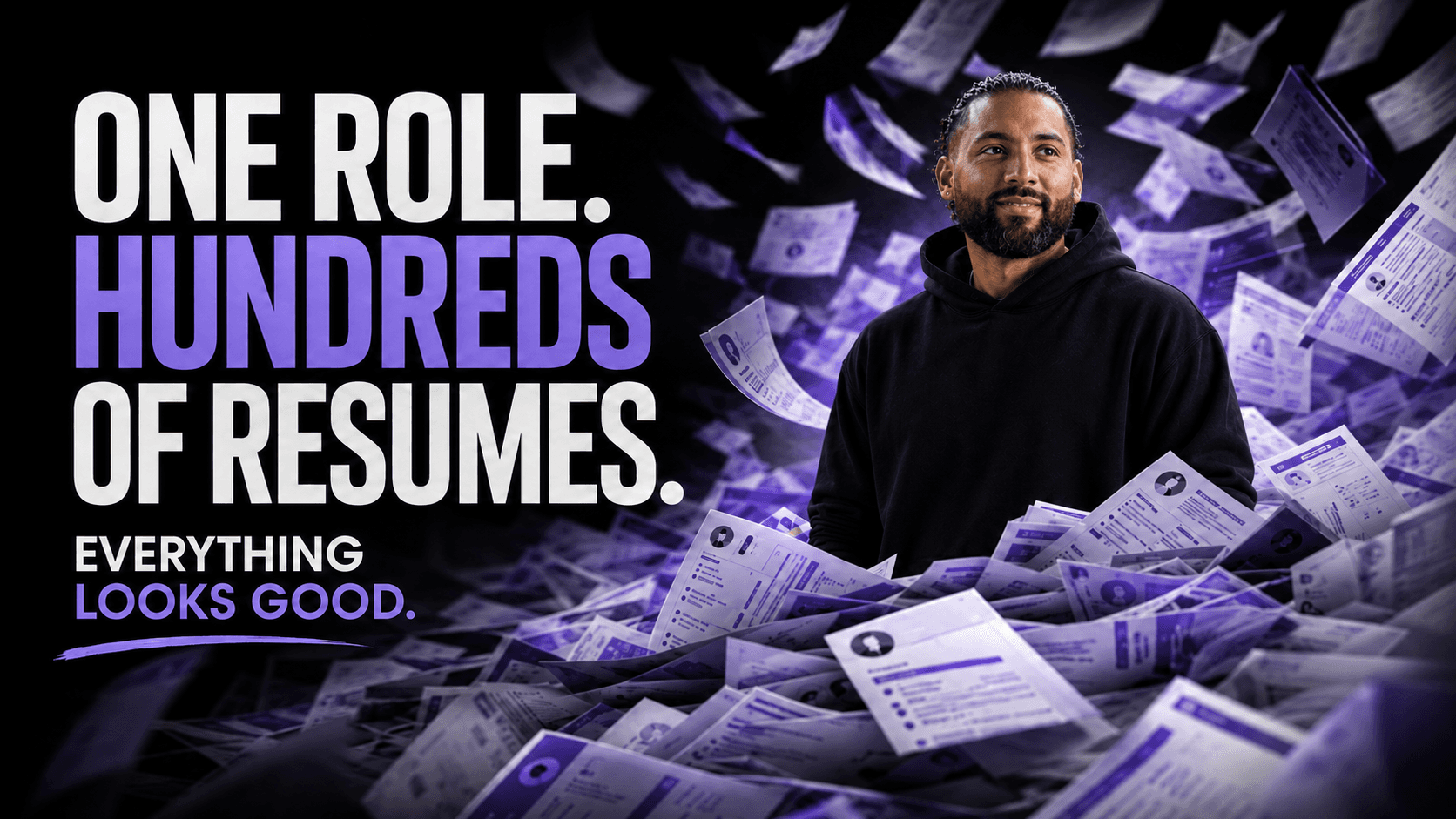
Imagine being an employer in today’s job market. You post one role, and the applications start coming in fast. Some resumes are clean. Some are tailored. Some mirror the exact language from the job description. Some are polished in a way that would have taken a job seeker hours, maybe days, to figure out a few years ago. Now imagine opening the stack and realizing that almost all of them sound good.
That is the shift workforce professionals need to pay attention to. The resume is not dead. It still matters. It still gets people through the first door. It still helps employers scan for experience, education, keywords, and basic fit. But the value of a polished resume is changing. When every job seeker has access to tools that can rewrite, reframe, and tailor their experience in seconds, polish becomes less of a signal. It no longer tells an employer what it used to tell them.
This matters because hiring teams are already under pressure. Gem’s 2025 Recruiting Benchmarks Report found that from 2021 to 2024, companies saw a 117% increase in application volume while recruiter headcount dropped 20%. Applications per recruiter rose from 925 in 2021 to 2,479 in 2024. That means employers are not just reviewing more resumes. They are reviewing more resumes with fewer people, less time, and more pressure to separate real readiness from well-written sameness.
AI is accelerating that sameness. iHire’s 2025 State of Online Recruiting Report found that 29.3% of job seekers used AI to write or customize a resume or cover letter in the past year, up from 17.3% in 2024. Employers are using AI too: 25.9% reported using AI in recruitment, compared with 14.7% in 2024 and just 4.9% in 2023. This is not a future trend. It is already inside the job search, on both sides of the hiring table.
So the question is not whether job seekers should use AI. They should. Telling people not to use it would put them at a disadvantage. AI can help someone understand a job posting, identify transferable skills, improve phrasing, and tailor a resume toward a specific opportunity. For many job seekers, especially those who have been out of school for years or who have never been taught how to translate their experience into professional language, that support can be powerful.
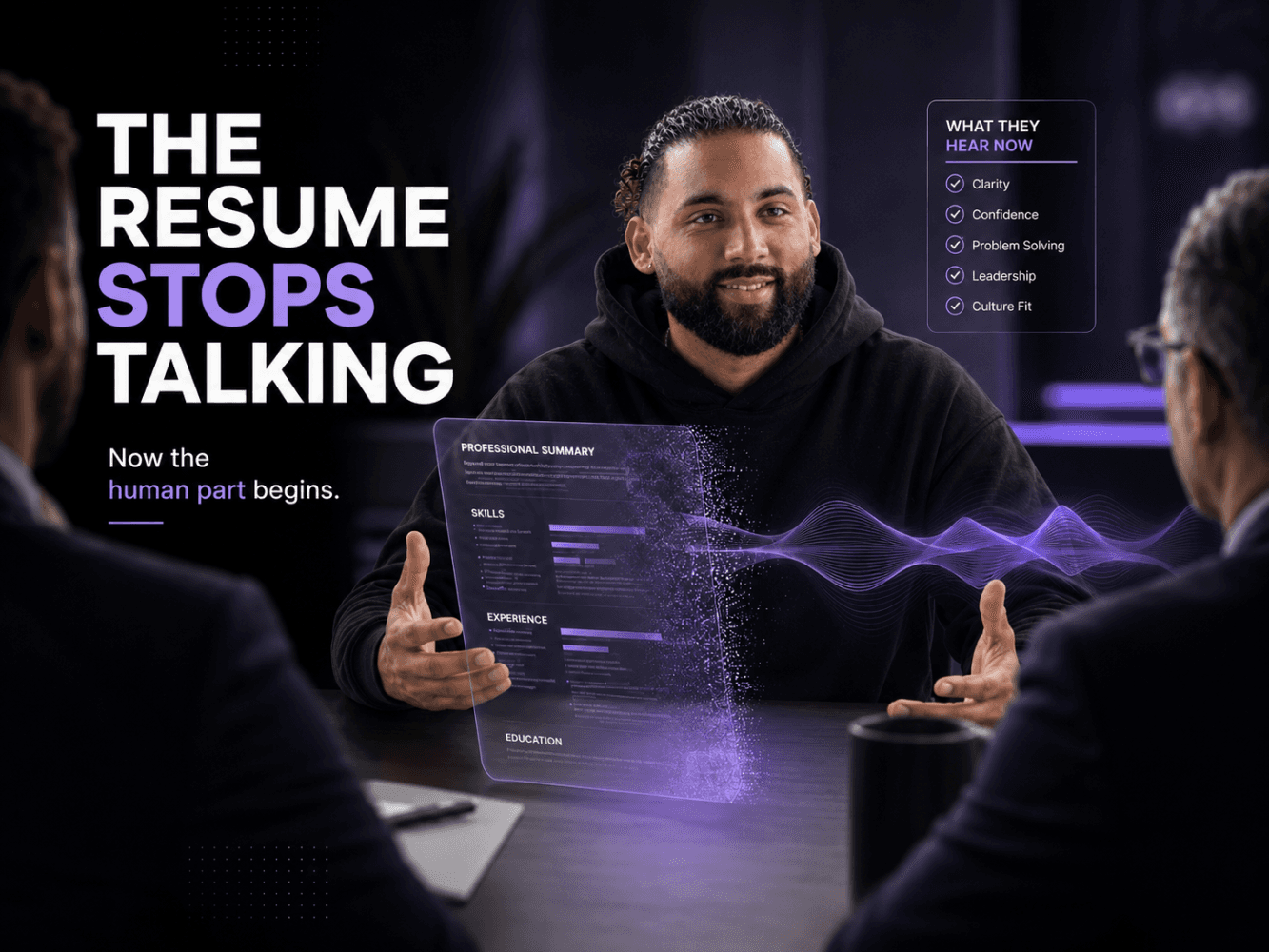
But here is the problem: once the resume gets someone noticed, the resume stops talking. A document can say “strong communicator,” but it cannot prove communication. It can say “adaptable,” but it cannot show how someone handles pressure. It can say “team player,” but it cannot explain how that person manages conflict, takes feedback, or earns trust. The resume can open the door, but the person still has to walk through it.
I have seen job seekers walk in with strong resumes and still struggle when it is time to explain themselves. They can hand over a document that says all the right things, but when they sit across from a panel, the pressure changes. They have to talk about their experience. They have to explain a gap. They have to make a career change make sense. They have to speak with confidence while carrying the weight of needing that opportunity.
AI can help prepare someone for that moment, but it cannot fully replace that moment. It can generate interview questions. It can help someone practice answers. It can give language for transferable skills. It can even challenge someone to choose stronger examples. But there is a difference between practicing with a tool and sitting in front of people you do not know, trying to communicate your value when something real is on the line.
That pressure is part of the skill. Being able to sit at the table and speak clearly about yourself is not just communication. It is self-awareness. It is emotional intelligence. It is confidence. It is the ability to stand on the words that were written in the resume. And the more polished resumes become, the more employers will look somewhere else for human signals.
This is where workforce development has to evolve. We cannot only teach people how to build better resumes, submit applications, and move through job boards. Those things still matter, but they are no longer enough. More than 92% of jobs require digital skills, while about one-third of workers do not have the foundational digital skills needed to qualify for them. That means digital skill-building and AI literacy must be part of the foundation. But they cannot be the finish line.
The next layer is human readiness. The World Economic Forum’s Future of Jobs Report 2025 found that analytical thinking remains the most sought-after core skill among employers, with seven out of ten companies considering it essential. Employers also continue to value resilience, flexibility, agility, leadership, and social influence. That should tell us something: even as technology gets stronger, employers are still looking for people who can think, adapt, communicate, and work with others.
That means workforce programs need to create more spaces where people can practice being human under pressure. Not just one mock interview five minutes before the real thing. I mean repeated practice. Panels with unfamiliar faces. Real-time feedback that is honest without being humiliating. Safe environments where job seekers can stumble through an answer, pause, breathe, try again, and build the muscle. People need to feel the pressure before the pressure counts.
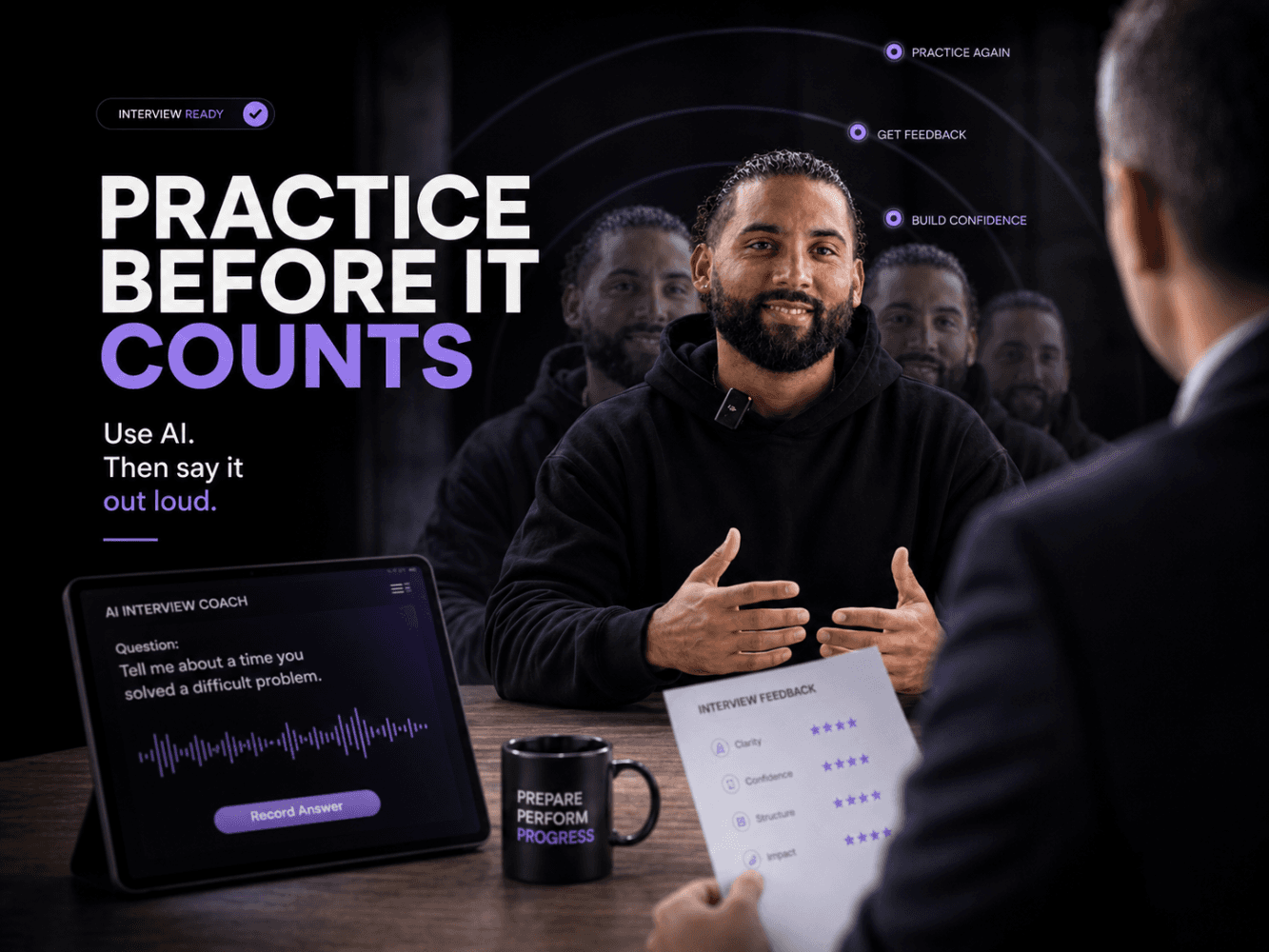
For job seekers, the message is not “do not use AI.” Use it. Use it to understand the job posting. Use it to tailor your resume. Use it to find your transferable skills. Use it to prepare for interviews. But do not stop at the screen. Say the words out loud. Practice with another person. Make sure the resume sounds like something you can actually explain. Because if AI helped you write it, you still have to be able to stand on it.
For workforce professionals, this is the moment to think beyond the document. A completed resume is not the same thing as readiness. A polished cover letter is not the same thing as confidence. A good answer typed into a chatbot is not the same thing as being able to say it across the table. The resume may still help someone get noticed today, but the future belongs to the job seeker who can explain, connect, and bring truth to every word AI helped them shape.
